
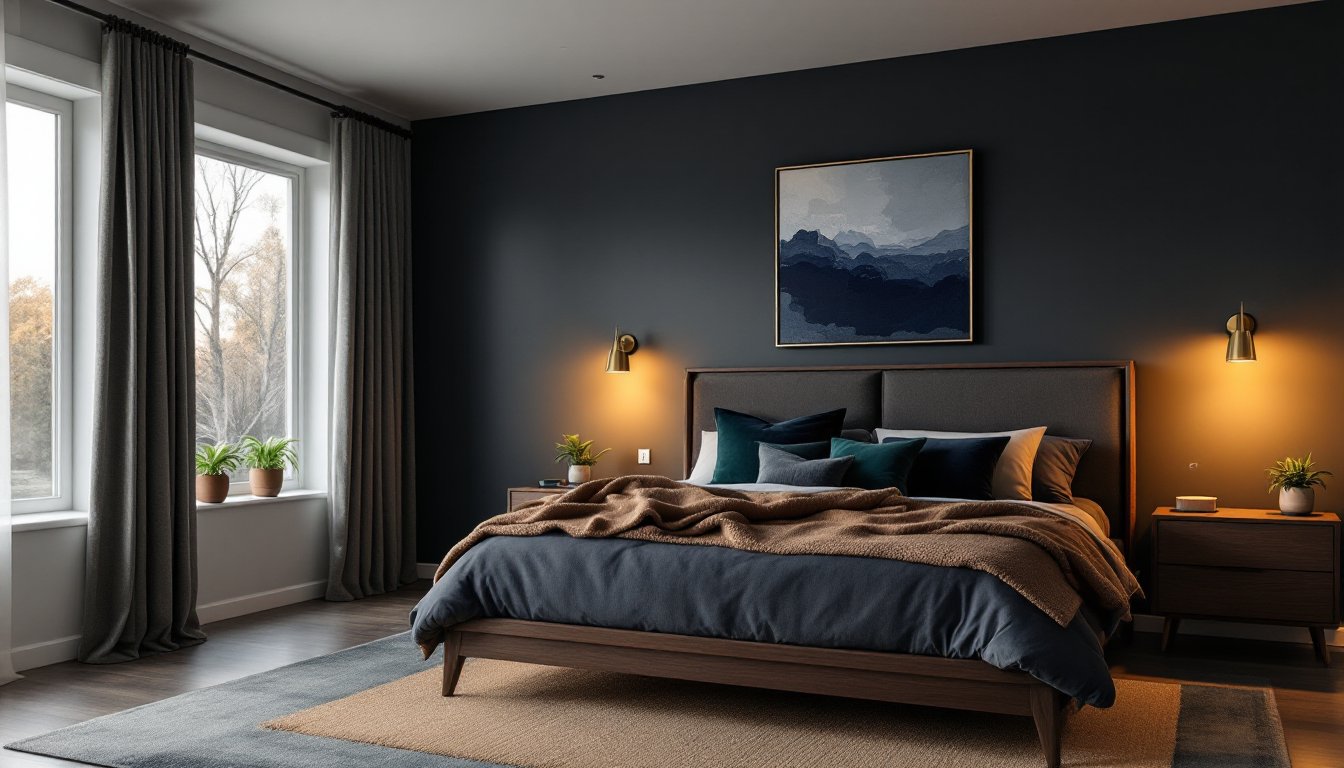

A moody bedroom isn’t about darkness for darkness’s sake, it’s about creating a sanctuary that wraps around you when you step inside. Whether you’re drawn to deep jewel tones, shadowy corners, or rich atmospheric lighting, moody bedroom decor has become the go-to aesthetic for homeowners seeking a retreat from the constant stimulation of daily life. The beauty of cozy moody bedroom ideas lies in their versatility: they can feel intimate without feeling cramped, sophisticated without requiring a designer’s budget, and calming without sacrificing style. This guide walks you through seven practical, achievable ways to transform your sleep space into the kind of room where you actually want to spend time beyond just sleeping.
Table of Contents
ToggleKey Takeaways
- Create moody bedroom ideas using deep, rich color palettes like navy, charcoal, emerald, and burgundy with matte finishes that absorb light and promote relaxation.
- Layer multiple lighting sources (ambient, task, and accent) on separate dimmers with warm-toned bulbs (2700K) to build an atmospheric sanctuary instead of a dark, unwelcoming space.
- Build textural depth through bedding layering, substantial window treatments, and area rugs in materials like velvet, linen, faux fur, and wool that add warmth and visual interest.
- Incorporate natural wood in dark finishes and stone accents to ground moody bedroom decor and create timeless appeal that synthetic materials cannot replicate.
- Install blackout curtains rated 75–99% light-blocking paired with sheer panels to control light and atmosphere while maintaining the moody aesthetic throughout the day and night.
- Start with one or two elements—like an accent wall and dimmer switches—then build your moody bedroom transformation gradually within your budget and timeline.
Embrace Deep, Rich Color Palettes
The foundation of any moody bedroom starts with color. Forget soft pastels and pale grays, think charcoal, navy, deep emerald, and burgundy. These colors absorb light rather than reflect it, creating an inherently calming atmosphere that encourages rest.
Start with walls. A single accent wall in a deep, matte finish paint (Benjamin Moore’s “Hale Navy” or Sherwin-Williams’ “Iron Ore” are reliable choices) sets the tone without overwhelming a smaller room. If you’re committing fully, painting all four walls works beautifully in larger bedrooms with good natural light. Always prime before painting, especially over lighter colors, one primer coat plus two paint coats is standard for even coverage.
Pairing wall color with complementary trim and ceiling colors multiplies the moody effect. Painting the ceiling a slightly lighter shade of the same color (or even white) prevents the room from feeling like a cave. Consider the room’s natural light: north-facing rooms can handle slightly warmer deep tones (charcoal-brown), while south-facing rooms benefit from cooler deep tones (slate blue or forest green).
Texture matters as much as color. A matte or eggshell finish creates the moody feel better than glossy paint, which reflects light and reads as brighter and busier. Your bedroom color palette doesn’t stop at walls, incorporate deep tones through bedding, rugs, and throw blankets. This layering creates cozy moody bedroom ideas that feel intentional rather than gloomy.
Layer Dramatic Lighting Fixtures
Moody lighting is the difference between a dark room and an atmospheric sanctuary. The key is layering: ambient lighting, task lighting, and accent lighting working together, all on separate dimmers.
Start with ambient lighting. A central overhead fixture casts harsh shadows in a moody bedroom, so consider replacing it with a dimmer-controlled fixture or installing multiple recessed lights (typically spaced 4–6 feet apart for standard 8–9 foot ceilings). If you’re not ready for electrical work, a large pendant light or flush-mount fixture on a dimmer achieves the same effect without rewiring.
Add task lighting: bedside table lamps with warm-toned bulbs (2700K color temperature, measured in Kelvin, gives that cozy glow). Wall sconces flanking the bed offer reading light without a nightstand footprint, they’re hardwired or plug-in versions, and both work well in rental-friendly setups. Install sconces at eye level when sitting up in bed (roughly 36–40 inches from the floor).
For accent lighting, consider LED strip lights behind floating shelves or along baseboards. A floor lamp in the corner with a soft linen shade provides flexible, moveable ambient light. Avoid cool-toned LED bulbs (anything above 3000K reads clinical): warm white or “soft white” labeled bulbs create the moody aesthetic. Dimmers on every circuit let you dial the atmosphere down to near-candlelight when you want deep relaxation.
Create Textural Depth With Fabrics
Moody bedroom decor relies on touch as much as sight. Texture prevents the space from feeling flat or cold, it adds life and warmth.
Start with bedding. Layer a linen base sheet (linen softens and breathes better than cotton over time), add a heavier duvet in velvet, linen, or cotton sateen, and top it with throw blankets in chunky knit, faux fur, or wool. These materials feel luxurious and catch light differently, adding visual depth. A bed skirt in matching or complementary fabric anchors the whole setup. Choose bedding in your deep color palette: charcoal, navy, forest green, or warm taupe.
Add area rugs. A large rug (minimum 8′ × 10′ for a master bedroom) under the bed defines the sleeping zone and softens hard floors. Jute, wool, or a blend work best, they’re durable and add tactile richness. Layer a smaller accent rug on top for extra texture. The two-rug approach feels intentional and cozy.
Window treatments should be heavy and substantial. Blackout curtains in your moody color palette (or a deeper neutral like charcoal) absorb sound and light. Pair them with linen or velvet panels in a complementary shade for extra texture and light diffusion. Thermal curtains (which have a foam backing) provide insulation and reduce noise, making your bedroom feel like a proper retreat.
Final textural touches: throw pillows in different fabrics (velvet, linen, faux fur), a bed runner in a complementary texture, and soft area-appropriate fabrics throughout. This layering is what transforms moody bedroom ideas from a color scheme into an immersive experience.
Incorporate Natural Wood and Stone Elements
Raw, natural materials ground a moody bedroom and connect it to something timeless. Wood and stone provide warmth and texture that synthetic materials can’t replicate.
Wood works best in darker finishes: walnut, dark oak, or charred timber tones. A headboard in reclaimed wood or dark stained wood becomes a natural focal point, you can DIY mount a simple wood frame headboard using 2×6 or 2×8 lumber (nominal sizes: actual dimensions are 1.5″ × 5.5″ and 1.5″ × 7.25″ respectively). Sand, stain, and mount it directly to wall studs using heavy-duty brackets rated for the weight. If the headboard feels too permanent, a leaning headboard (self-supporting, no mounting) works in flexible spaces.
Wood nightstands, dressers, and shelving in dark finishes tie the room together. Open shelving in dark wood adds texture and lets you display books, ceramics, or plants, items that add personality. If you’re installing floating shelves, locate wall studs and use appropriate anchors: shelves typically support 25–50 pounds depending on depth and bracket type.
Stone comes through in smaller accents: a slate or marble side table, stone wall tiles as an accent feature, or pebble coasters on the nightstand. A stone accent wall (real stone veneer or a realistic stone wallpaper) adds dramatic visual interest behind the bed without the expense and structural weight of genuine stone. Stone-look tile wallpaper runs $20–50 per roll and is much easier to install than actual stone.
Plants add life and softness to wood and stone. Trailing pothos, monstera, or ferns in ceramic planters introduce organic shapes and green tones that complement moody color palettes beautifully.
Add Moody Artwork and Wall Decor
Art and wall decor personalize a moody bedroom and fill empty vertical space. Choose pieces intentionally, they should complement your color palette and add interest without visual chaos.
Large-scale artwork works best in moody spaces. A single oversized print or painting (36″ × 48″ or larger) makes a bigger impact than a gallery wall of small pieces. Look for images with deep tones: dark landscapes, abstract compositions in navy and charcoal, or moodily lit photography. Resources like House Beautiful’s moody purple bedroom ideas showcase how rich, atmospheric artwork transforms a room. Hang artwork at eye level (center roughly 57–60 inches from the floor) on wall studs or with appropriate wall anchors rated for the piece’s weight.
Consider wood or metal frames in warm bronze, dark brass, or matte black, they reinforce the moody aesthetic better than chrome or bright gold finishes. Floating frames (frames that hold artwork without glass, allowing the piece to breathe) feel more contemporary and less formal.
Wall sconces with sculptural shades (brass, ceramic, or wood) function as decor and lighting. A large round mirror in a dark wood or black metal frame reflects light and adds visual depth. Position mirrors opposite a light source to amplify the glow without washing out the moody feel.
Wallpaper in subtle patterns (damask, geometric, or textured finishes) adds sophistication without overwhelming. Pair a patterned accent wall with solid walls to avoid visual overload. If wallpaper feels temporary, fabric-backed wall panels in deep tones are easier to remove and create stunning textural effects.
Design an Atmospheric Window Treatment Strategy
Windows are both a challenge and an opportunity in moody bedrooms. They let in light (which can fight the moody aesthetic) and frame views. Smart window treatments balance both.
Blackout curtains are non-negotiable for sleep quality and mood control. Choose a heavy fabric in your moody color, charcoal, forest green, or deep navy. Blackout curtains typically run 75–99% light-blocking: the rating tells you how much light passes through. Install curtain rods close to the ceiling (as high as practical) and extend them to or beyond the wall edges. This creates the illusion of larger windows and maximizes the room’s sense of space.
Layering matters. Pair blackout curtains with sheer or semi-sheer panels in linen or cotton for diffused daytime light. This gives you control: close the blackout curtains at night, open them during the day and let filtered light in through the sheers. The layering also looks intentional and adds textile richness. Use a double curtain rod system (one rod for sheers, one for blackout panels) spaced 4–8 inches apart to prevent heat from trapping behind the outer layer.
Consider motorized blinds or shades if you want a sleek, minimalist look. Cellular shades (honeycomb shades) provide insulation and light control in one slim profile. They come in blackout or room-darkening versions and mount inside or outside the window frame. If renting or avoiding hardware installation, temporary adhesive-backed cellular shades work adequately, though motorized options are more polished.
For cozy moody bedroom decor, avoid sheer white curtains or thin fabrics that don’t block light effectively. Heavy linen, velvet, or blackout-lined cotton are your allies. The goal is control: letting you set the atmosphere from full daylight to complete darkness with a single gesture.
Conclusion
Transforming a bedroom into a moody retreat doesn’t require structural renovation, it’s about intentional choices with color, light, texture, and materials. Start with one or two elements: paint an accent wall and add dimmer switches, or invest in quality bedding and layered lighting. Build from there, adding wood elements, artwork, and refined window treatments as budget and timeline allow. The bedroom inspiration ideas available through design resources offer endless starting points. A moody bedroom becomes the room you genuinely want to spend time in, a personal sanctuary that supports rest, creativity, and genuine relaxation. That’s worth the effort.