


When severe weather strikes, the threat of a tornado can turn a calm day into a frightening experience. For many, the phrase “tornado touch down near me” evokes a mix of anxiety and urgency. Understanding the signs of an impending tornado and knowing how to respond can make all the difference in ensuring safety for oneself and loved ones.
As weather patterns become increasingly unpredictable, staying informed is crucial. Local meteorological services provide vital updates, but being aware of the surrounding environment and potential tornado-prone areas can enhance preparedness. This article explores the significance of timely alerts, essential safety tips, and the steps to take when a tornado touches down nearby. With the right knowledge, individuals can navigate these dangerous situations more effectively.
Understanding Tornado Touch Downs
A tornado touchdown occurs when a rotating column of air extends from a thunderstorm to the ground. Various factors contribute to this phenomenon, including unstable atmospheric conditions, wind shear, and humidity levels. Recognizing these elements aids in understanding tornado formation.
Monitoring signs of a tornado touchdown proves essential. Indicators include dark, rotating clouds, intense winds, and hail. Local radar data often provides real-time information, helping to identify the presence of a tornado.
Responding effectively to a tornado touchdown is critical for safety. Those in affected areas should seek shelter immediately in a sturdy building, preferably in a basement or an interior room away from windows. Keeping a battery-powered weather radio, or a mobile app for alerts, ensures individuals receive timely updates.
Local meteorological services play a vital role in issuing tornado warnings. These alerts might occur just minutes before a tornado strikes. Being aware of community sirens or text alerts can significantly reduce risk by enabling individuals to take cover in time.
Preparedness for potential tornado touchdowns includes having an emergency plan. Households should establish safe locations, prepare a disaster supply kit, and conduct regular readiness drills. Taking these steps enhances resilience against tornado threats.
Signs of an Approaching Tornado
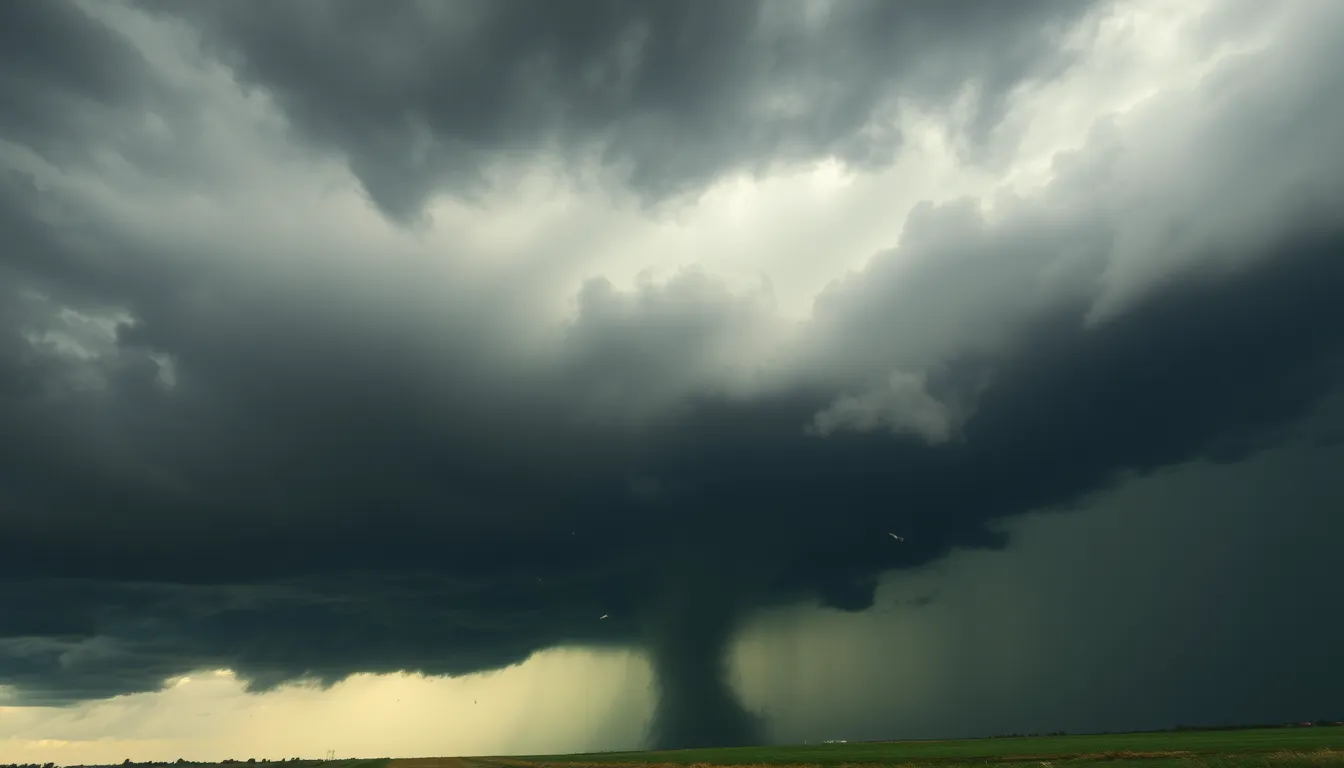
Recognizing signs of an approaching tornado can significantly increase safety during severe weather events. Key indicators include weather alerts and visual cues.
Weather Alerts and Warnings
Meteorological services issue alerts and warnings to inform the public about potential tornado threats. Tornado watches indicate conditions are favorable for tornado development, while tornado warnings mean a tornado has been spotted or indicated by radar. Keeping a battery-powered weather radio, using weather apps, or following local news helps ensure awareness of these alerts. Areas in tornado-prone regions often have siren systems that activate when a tornado warning is issued, providing additional alerts. It’s essential to heed these warnings promptly and take necessary precautions.
Visual Indicators
Distinct visual signs often precede a tornado’s arrival. Dark, low-hanging clouds, particularly if they appear to rotate, signal that a tornado could form. The sky may take on a greenish hue, indicating severe weather conditions. Other indicators include loud, continuous roar-like sounds that can be mistaken for a freight train and debris swirling in the air. Additionally, large hail often accompanies tornadoes, making it a crucial sign to note. Observing these visual changes can provide valuable time to seek shelter and ensure safety.
Safety Precautions During a Tornado
Understanding safety precautions during a tornado can significantly reduce risks and enhance preparedness. Implementing a well-thought-out safety plan and having essential emergency supplies readily available becomes critical.
Creating a Safety Plan
Establishing a safety plan involves identifying safe locations and clear communication strategies.
- Identify Safe Locations: Determine safe spots within your home, such as basements or interior hallways, which provide the strongest protection.
- Designate Meeting Points: Choose designated meeting areas for family members in case of separation during a tornado event.
- Develop Communication Strategies: Ensure every family member knows how to contact each other and understands where to go when severe weather threatens.
- Conduct Regular Drills: Practice tornado drills to keep everyone familiar with the safety procedures and increase their readiness level.
- Stay Informed: Utilize reliable weather apps or NOAA weather radios to receive timely updates on tornado watches and warnings.
Essential Emergency Supplies
Maintaining essential emergency supplies ensures readiness during a tornado event.
- First Aid Kit: Include bandages, antiseptics, and necessary medications in your first aid kit to treat injuries.
- Non-Perishable Food: Stock canned goods, energy bars, and dried fruit to sustain family members for at least three days.
- Water Supply: Keep at least one gallon of water per person per day for three days, for drinking and sanitation.
- Flashlights and Batteries: Prepare flashlights and extra batteries to provide light in the absence of power.
- Portable Phone Charger: Utilize a portable charger to keep mobile devices powered for communication and information access.
- Clothing and Blankets: Include sturdy shoes, weather-appropriate clothing, and blankets to ensure comfort during an extended stay in a shelter.
Implementing these safety measures enhances preparedness and promotes better responses during potential tornado touchdowns, leading to improved safety outcomes.
Recent Tornado Touch Downs Near Me
Recent tornado touch downs can pose significant threats, emphasizing the need for constant awareness and preparation. Below are notable touch downs reported in the area:
| Date | Location | EF Rating | Damage Overview |
|---|---|---|---|
| March 3, 2023 | Springfield, IL | EF-2 | Roof damage to homes, uprooted trees |
| April 15, 2023 | Little Rock, AR | EF-3 | Severe structural damage to buildings, debris scattered across roads |
| June 10, 2023 | Kansas City, MO | EF-1 | Minor damage to roofs, several downed power lines |
| July 22, 2023 | Toledo, OH | EF-4 | Extensive damage to commercial buildings, loss of power to thousands |
Local meteorological services continuously monitor conditions to detect and report tornado activities. Recent data indicates that tornado touch downs frequently occur during peak tornado season, ranging from March through June.
Observations reveal that localized factors, such as geographical features and climate patterns, influence tornado formation in specific areas. Following a tornado touch down, emergency response teams assess and document damage, facilitating recovery efforts.
Local authorities encourage residents to remain prepared and vigilant, utilizing alerts and notifications provided through weather apps and phone services. Reported tornado touch downs emphasize the importance of adhering to safety protocols during severe weather events.
Staying informed about recent touch downs fosters a proactive approach to safety, reinforcing the need for community preparedness.
Tornadoes can strike unexpectedly and with devastating force. Staying informed and prepared is essential for ensuring safety during these severe weather events. By recognizing the signs of an impending tornado and having a solid emergency plan in place, individuals can significantly enhance their chances of staying safe.
Community awareness and proactive measures are vital. Regular drills and preparedness can make a difference when seconds count. As weather patterns continue to evolve, remaining vigilant and responsive to alerts from local meteorological services is crucial. It’s not just about surviving a tornado; it’s about thriving in the face of nature’s unpredictability.