
In a world overflowing with distractions, minimalist interior design offers a refreshing escape. This style strips away the excess, focusing on simplicity and functionality. By embracing clean lines and a neutral palette, it creates serene spaces that promote clarity and peace of mind.
Minimalism isn’t just about aesthetics; it’s a lifestyle choice that encourages mindful living. It invites individuals to curate their surroundings, prioritizing quality over quantity. As more people seek tranquility in their homes, minimalist interiors are becoming a popular choice for those looking to declutter both their spaces and their minds.
Table of Contents
ToggleWhat Is Minimalist Interior?
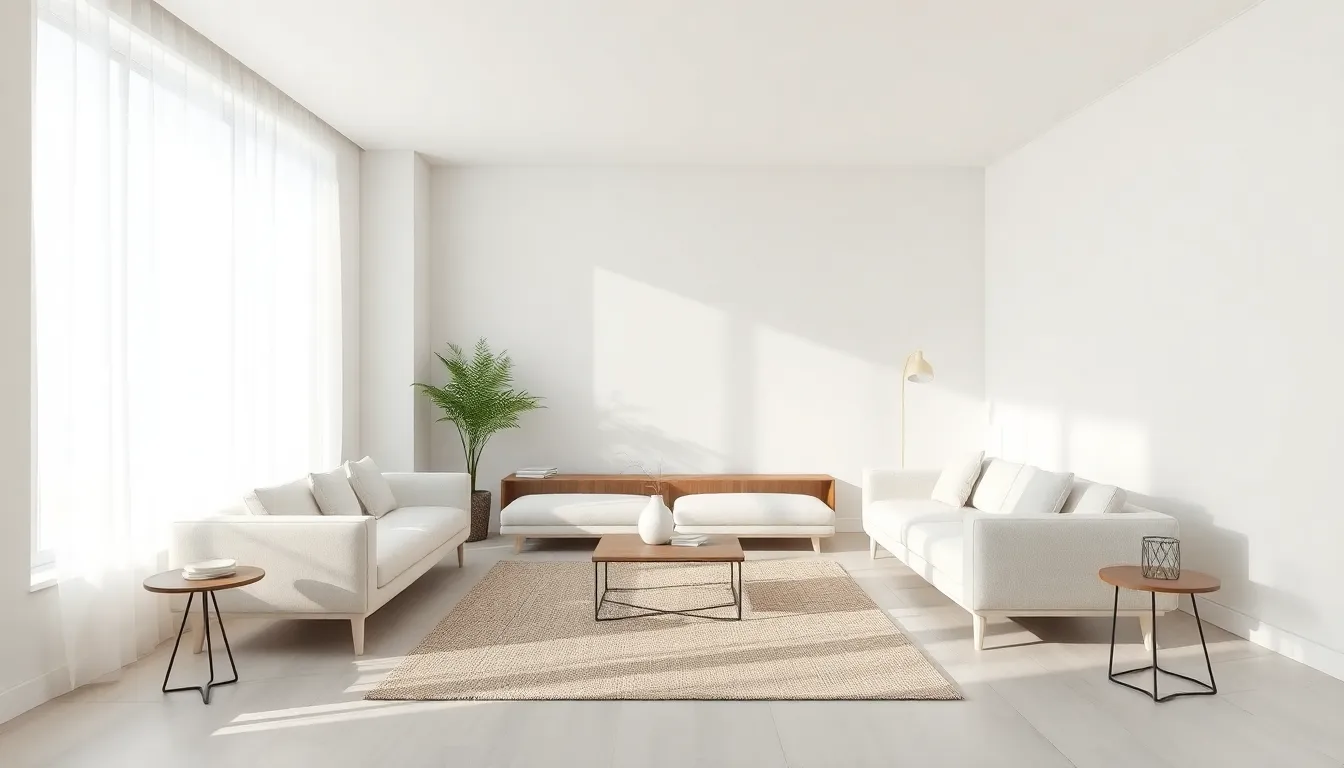
Minimalist interior design focuses on simplicity and the essence of space. It utilizes clean lines, neutral colors, and functional furnishings to create open environments. The concept revolves around “less is more,” emphasizing the importance of essential elements while eliminating clutter.
Key characteristics of minimalist interiors include:
- Color Palette: Predominantly neutral tones such as whites, grays, and beiges enhance light and create a tranquil atmosphere. Occasional accent colors can add personality without overwhelming the space.
- Furniture: Functional and streamlined furniture items are a staple in minimalist design. Pieces often serve multiple purposes, reducing the number of items in the room.
- Textures: Minimalist spaces incorporate diverse textures, like wood, metal, and fabric, to provide depth and interest without visual clutter.
- Natural Light: Maximizing natural light plays a crucial role in minimalist interiors. Large windows and open layouts contribute to a sense of spaciousness and connection with the outdoors.
- Decor: Decorative elements remain minimal, focusing on a few meaningful artworks or plants rather than numerous accessories. Each piece has a specific purpose, enhancing the overall aesthetic.
Minimalist interior design fosters a peaceful environment that promotes mental clarity and focus. It encourages mindful living, prompting individuals to be intentional about their surroundings.
Key Principles of Minimalist Interior
Minimalist interior design revolves around straightforward principles that create harmonious living spaces. Understanding these core elements helps in achieving a balanced and serene environment.
Functionality
Functionality drives minimalist design. Every piece of furniture and decor serves a distinct purpose. Furniture selection focuses on items that offer multiple uses, such as a sofa bed or an ottoman with storage. This emphasis not only maximizes utility but also ensures that spaces remain open and adaptable.
Simplicity
Simplicity remains central to minimalism. Designs feature clean lines and unembellished forms, promoting a sense of calm. Color palettes typically consist of neutrals, allowing for easy coordination and fostering a tranquil atmosphere. Accessories, if included, are selected for their aesthetic impact and relevance, avoiding overwhelming visual clutter.
Clutter-Free Spaces
Clutter-free spaces enhance the minimalist ethos. Reducing the number of items creates an open, airy feel. Implementing smart storage solutions, such as built-in shelves or hidden compartments, provides practicality without compromising on style. Regularly assessing belongings and eliminating non-essential items effectively supports this principle, reinforcing a commitment to intentional living.
Benefits of Minimalist Interior
Minimalist interior design offers numerous advantages that contribute to both physical and mental well-being. It enhances the living experience by creating spaces that are functional, serene, and aesthetically pleasing.
Enhances Space Perception
Enhancing space perception is a primary benefit of minimalist interiors. Spaciousness becomes apparent through open layouts that reduce visual clutter. Strategic use of neutral colors and natural light creates airy environments that feel larger. Furniture is intentionally arranged to optimize flow, allowing for easy movement. Less furniture leads to fewer distractions, making spaces more inviting and functional.
Promotes Calmness
Promoting calmness stands at the core of minimalist interior design. A clutter-free environment eliminates chaos, allowing the mind to focus and relax. Clean lines and harmonious textures evoke a sense of peace, fostering mental clarity. Thoughtfully chosen decor pieces add meaning without overwhelming the senses. Overall, minimalist interiors cultivate tranquility, making them ideal for stress relief and rejuvenation.
Creating a Minimalist Interior
Creating a minimalist interior requires attention to detail in color, furniture, and decor choices. Each element works together to enhance simplicity and functionality.
Color Palette Selection
Choosing a neutral color palette is essential for minimalist design. Whites, grays, beiges, and soft earth tones promote a sense of calm. Applying these colors uniformly across walls, furniture, and textiles creates visual coherence. Incorporating subtle accent colors can add visual interest without overwhelming the space. For instance, a single muted blue or green can evoke a tranquil environment while maintaining the minimalist aesthetic.
Furniture Choices
Selecting furniture that embodies both form and function is crucial. Multi-functional items like a coffee table with storage or a sofa bed maximize utility while minimizing clutter. Opt for streamlined shapes and materials such as wood or metal with clean lines. Avoid heavy pieces that dominate a room; instead, choose lighter designs that maintain an open feel. Prioritizing quality over quantity ensures that each piece serves a purpose and contributes to the overall simplicity.
Decor and Accessories
Decorative elements in a minimalist interior should remain purposeful and intentional. Limit accessories to a few meaningful pieces, such as a single striking artwork or a carefully curated plant. Choose textures that add depth, like a soft throw or a woven basket, enhancing comfort without creating clutter. Avoid overcrowding surfaces; instead, leave ample negative space to allow each piece to stand out and breathe within the environment. This approach cultivates tranquility and keeps the focus on the essential.
Common Mistakes to Avoid
Individuals often encounter pitfalls while designing minimalist interiors. Avoiding these common mistakes can enhance the aesthetic and functionality of a space.
- Overcrowding with Decor: Many choose to fill empty spaces with decor items, undermining the minimalist intent. Emphasizing simplicity requires selecting a few significant pieces rather than crowding surfaces.
- Neglecting Functionality: Some prioritize aesthetics over utility, leading to impractical choices. Every piece of furniture should serve a dual purpose, combining form and function while maintaining minimalism.
- Ignoring Natural Light: Designers sometimes overlook the importance of natural light in creating an airy feel. Large windows and strategically placed mirrors can amplify brightness and open up the space.
- Choosing Incompatible Colors: Mixing too many colors disrupts the cohesive look minimalism aims for. Sticking to a neutral color palette ensures a serene environment and enhances visual harmony.
- Overcomplicating Layouts: Complex furniture arrangements can clutter a room. Simplicity in layout promotes ease of movement and enhances spatial awareness, key components of a minimalist design.
- Accumulating Non-Essential Items: Individuals often keep items due to sentiment rather than functionality. Regularly assessing belongings helps eliminate distractions and encourages intentional living.
- Forgetting to Incorporate Texture: Many assume minimalism lacks character, ignoring the role of texture. Integrating varied materials can add depth without overwhelming the senses.
- Inconsistent Style Choices: Designers may mix styles, creating a disjointed look. Maintaining a consistent design theme contributes to the unified aesthetic that defines minimalism.
Staying mindful of these mistakes fosters a more effective minimalist interior design, fully embracing its potential for peace and clarity.
Embracing a minimalist interior design can transform a living space into a sanctuary of peace and clarity. By focusing on simplicity and functionality individuals can create environments that not only look aesthetically pleasing but also promote mental well-being.
This design approach encourages intentionality in both decor and lifestyle helping people prioritize what truly matters. The result is a harmonious space that fosters calmness and reduces distractions making it easier to navigate the complexities of modern life.
As more individuals seek to declutter their surroundings and minds minimalist interiors will continue to resonate as a powerful choice for those aiming for a balanced and serene lifestyle.