
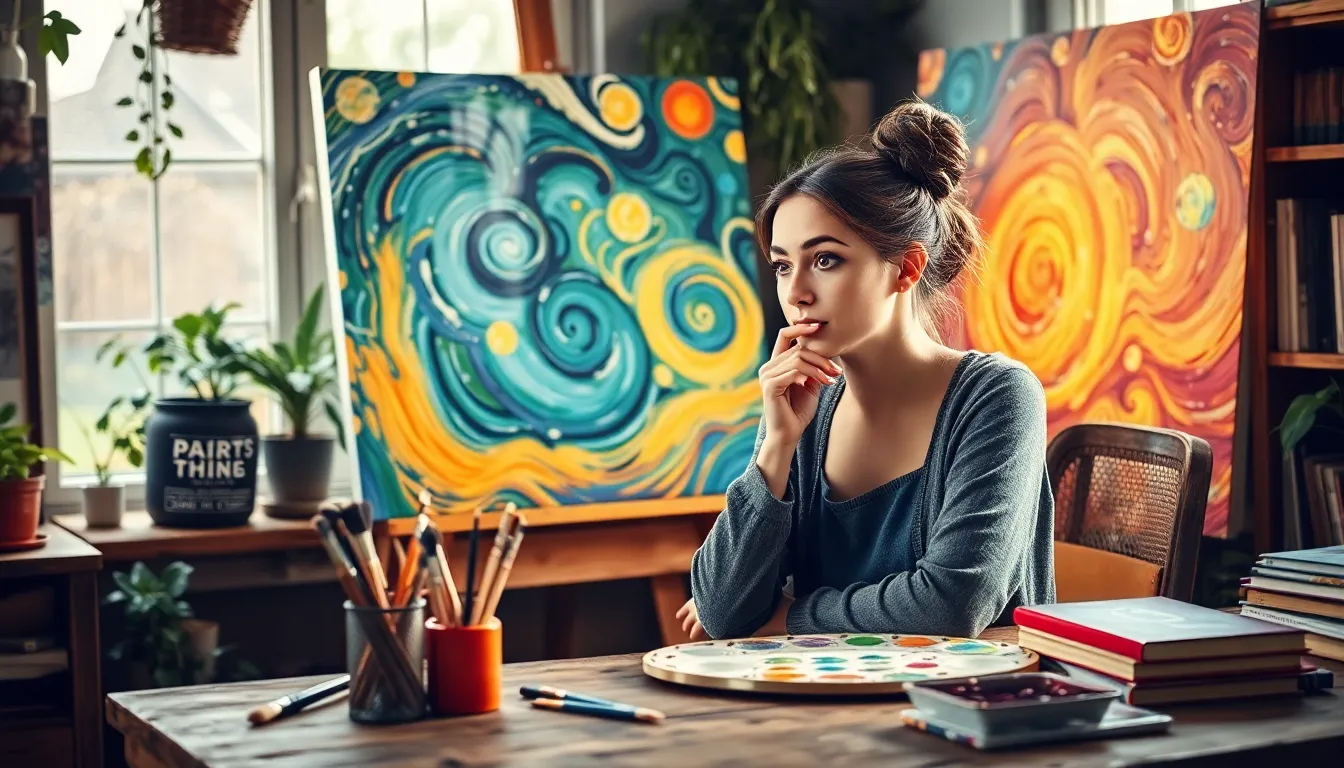
In a world overflowing with ideas, finding that spark of inspiration can feel like searching for a needle in a haystack—blindfolded. Whether it’s for a new project, a creative endeavor, or just a way to spice up the daily grind, everyone hits a wall now and then. But fear not! Inspiration isn’t hiding in some elusive corner of the universe; it’s all around, just waiting to be discovered.
Understanding Drawing Inspiration Ideas
Finding inspiration is essential for artists and creators. It acts as a catalyst, sparking imagination and innovation.
The Importance of Inspiration in Art
Inspiration drives artistic expression. Artists like Vincent van Gogh or Frida Kahlo drew inspiration from their surroundings, emotions, and experiences. Creative work often reflects the artist’s perspective of the world, bridging personal feelings with universal themes. Capturing such connections enriches the artistic process and encourages deeper engagement with the audience. Artists thrive when they discover varied sources of inspiration, whether through nature, music, or literature. The diverse influences available contribute significantly to developing a distinctive style and voice.
How Inspiration Fuels Creativity
Creativity flourishes when inspiration strikes. It energizes thoughts and leads to novel ideas. For instance, brainstorming sessions often yield unexpected solutions as collaboration mixes unique viewpoints. Engaging with different art forms can also ignite creativity; watching a film or visiting a museum can provide fresh perspectives. Moreover, structured routines enhance the ability to harness inspiration. Consistent practice, coupled with mindful observation of everyday life, can uncover hidden inspirations, fostering continuous creative growth. Understanding these dynamics allows individuals to cultivate a rich environment that nurtures creativity.
Sources of Inspiration
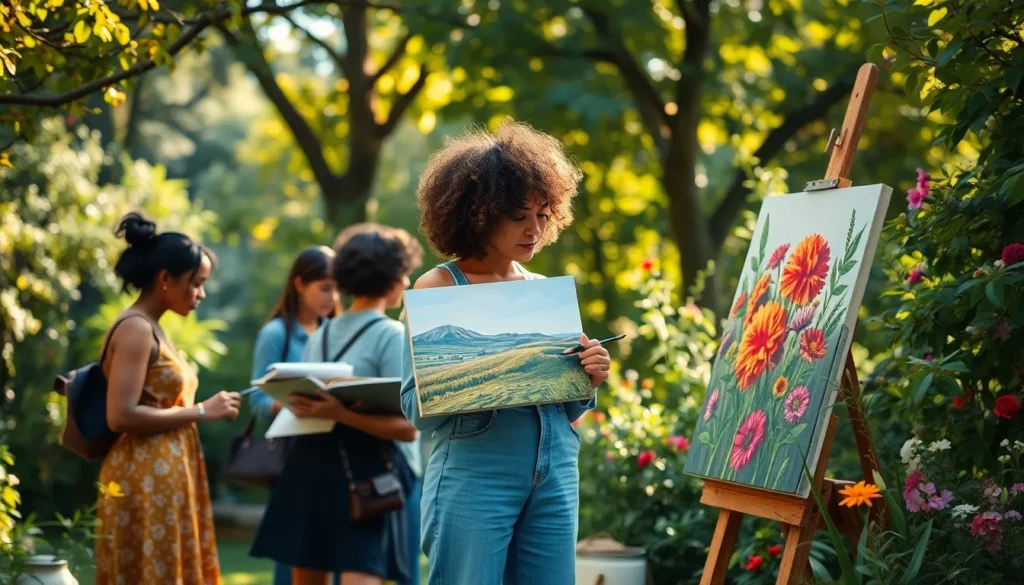
Inspiration surrounds everyone, waiting to be discovered across various sources. Artists and creators tap into these different realms to spark their imagination and fuel their work.
Nature as a Muse
Nature serves as a powerful source of inspiration. Vibrant colors, intricate patterns, and diverse textures can ignite creativity in any artist. Observing landscapes or the intricate details of plants often leads to visual interpretations. Many artists find solace in natural settings, using the calmness of the environment to reflect and generate new ideas. For instance, Vincent van Gogh painted the changing seasons, capturing nature’s beauty with his vivid brushstrokes.
Art and Culture Influence
Art and culture shape inspiration in profound ways. Exposure to different artistic movements and cultural expressions broadens perspectives and ignites new concepts. Visiting galleries or exploring digital art platforms exposes creators to fresh styles, techniques, and ideas. Cultural events, such as festivals and exhibitions, offer opportunities for collaboration, allowing artists to feed off one another’s energy. Frida Kahlo’s works demonstrate how personal heritage and cultural identity can deeply influence creative expression.
Everyday Life Scenarios
Everyday scenarios present countless opportunities for inspiration. Observing daily interactions, routine environments, or simple moments can lead to innovative thoughts. Simple tasks, like cooking or walking, encourage wandering thoughts that often lead to new ideas. Creatives can find stories in mundane activities, recognizing beauty in the ordinary. Chronicling experiences in journals or sketchbooks ensures that no flashes of inspiration go unrecognized, nurturing the ongoing creative process.
Techniques for Finding Inspiration
Finding inspiration often requires specific methods to unlock creativity. The following techniques help artists and creators tap into their imaginative potential.
Mind Mapping for Creativity
Mind mapping facilitates visual organization of ideas. This technique allows creators to explore thoughts in a non-linear fashion. Begin with a central concept and branch out to related themes and ideas. As connections form, new paths of inspiration emerge. Utilizing colors and images enhances engagement and retention, making the process enjoyable. Mind maps can transform vague ideas into actionable plans.
Journaling Your Ideas
Journaling serves as a valuable tool for capturing fleeting thoughts. Writers often find that regular entries provide clarity and focus. Recording experiences and emotions helps uncover patterns related to creativity. Reviewing past entries fosters reflection, revealing what inspires and motivates. Creativity flourishes through this practice, as it becomes clear how everyday moments contribute to artistic expression. Regular journaling encourages consistency, leading to a deeper exploration of ideas.
Collaborating with Others
Collaboration opens avenues for new ideas and perspectives. Teaming up with creatives invites fresh viewpoints that challenge existing thoughts. Engaging in discussions fosters an exchange of concepts, enriching the creative process. Brains often spark off one another’s ideas, generating innovative solutions to artistic challenges. Building a network of diverse artists enhances exposure to various styles and techniques, promoting growth. Collaboration inspires a sense of community, contributing to ongoing creative exploration.
Developing Your Unique Style
Creating a unique artistic style requires a blend of diverse inspirations. Artists should explore various sources, weaving elements together to form a cohesive vision.
Combining Various Inspirations
Different mediums and influences each contribute uniquely to an artist’s development. Artists might find inspiration in nature, literature, or even the works of other creators. It’s beneficial to draw connections between seemingly unrelated ideas. For example, combining Impressionism’s color palettes with contemporary themes can yield captivating results. An artist should analyze their favorite elements and consider how these can merge into a distinct style. This experimentation often leads to exciting breakthroughs.
Staying Authentic to Your Vision
Authenticity stands at the core of effective artistic expression. Maintaining a personal connection to one’s work allows the message to resonate more profoundly. Individual experiences and emotions can dictate style choices, ensuring that the art remains relatable. Seeking external validation can detract from an artist’s true voice. Embracing imperfections also adds depth to the creative process. By focusing on what feels genuine rather than following trends, artists cultivate a style that truly represents them.
Creativity thrives on inspiration and the journey to uncover it is both personal and unique. By embracing diverse sources and documenting experiences, artists can transform fleeting moments into lasting ideas. Techniques like mind mapping and journaling serve as practical tools to unlock potential and clarify thoughts. Collaboration fosters a rich exchange of perspectives, enhancing the creative process. Ultimately, authenticity remains key; artists should focus on their individual voices and embrace the imperfections that make their work truly distinctive. With these strategies in hand, inspiration is always within reach, waiting to be discovered.