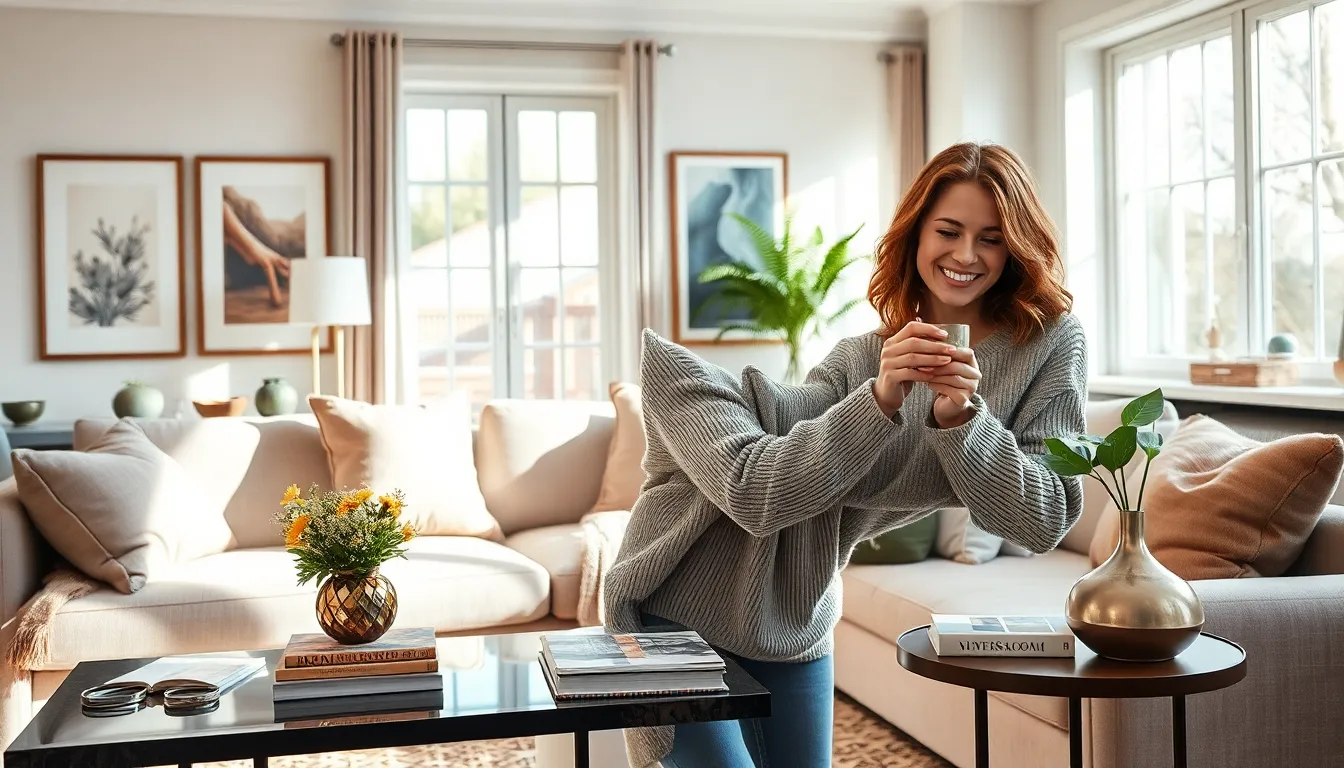

Designing a living room is more than just arranging furniture; it’s about creating a space that reflects personality and fosters comfort. This central hub of the home often serves as a gathering place for family and friends, making its design crucial for both functionality and aesthetic appeal.
With the right approach, anyone can transform their living room into a stylish oasis that balances comfort and style. From choosing the perfect color palette to selecting the right furniture, every decision plays a role in crafting a welcoming environment. Whether it’s a cozy nook for relaxation or a vibrant space for entertaining, the possibilities are endless.
Understanding Your Space
Understanding the living room space is crucial for effective design. Proper assessment leads to a comfortable and functional environment suitable for various activities.
Assessing Room Dimensions
Measuring the room dimensions accurately helps in planning the layout. Utilize a tape measure to find the length, width, and height of the space. Consider calculating square footage for an overview of the area.
| Dimension | Measurement |
|---|---|
| Length | X feet |
| Width | Y feet |
| Height | Z feet |
| Square Footage | X * Y = A sq ft |
Assess distances between doors, windows, and potential furniture placements. Ensure adequate space for walking paths, typically 24-36 inches wide, to create an inviting atmosphere.
Identifying Focal Points
Identifying focal points establishes the room’s visual hierarchy. Common focal points include fireplaces, large windows, or significant artwork. Determine which element draws the most attention and build the layout around it.
Arrange seating to face the focal point to enhance interaction and comfort. Balance additional design elements, such as lighting or accessories, to complement the focal area without overwhelming it.
Choosing a Style
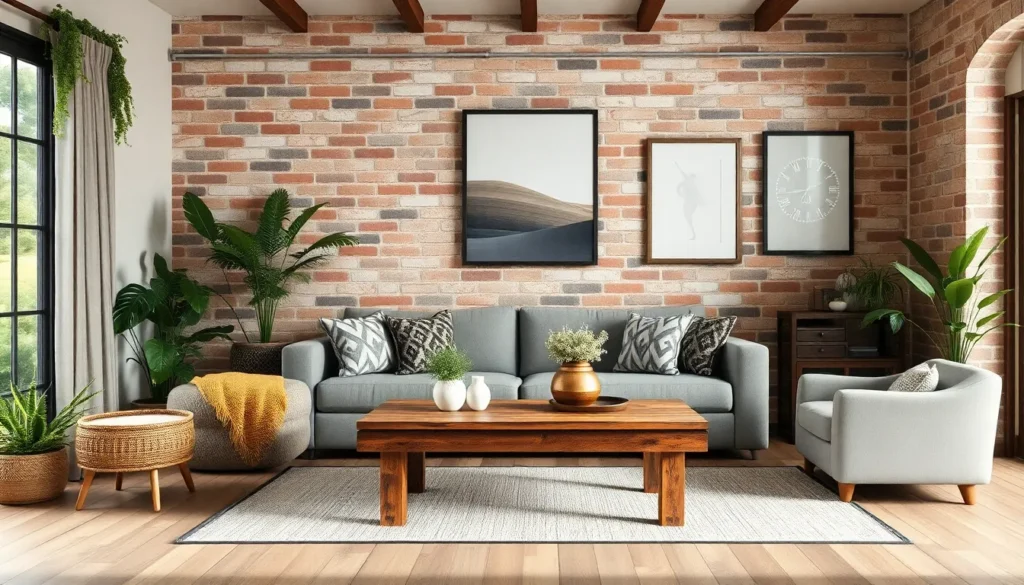
Selecting a design style sets the foundation for a living room’s ambiance and functionality. Understanding different aesthetics helps create a personal and cohesive environment.
Popular Living Room Styles
- Modern: Features clean lines, minimal décor, and a neutral color palette. Focuses on functionality and open spaces.
- Traditional: Emphasizes classic furniture with rich woods and fabrics. Often includes ornate details and decorative accents.
- Contemporary: Blends current trends with personal touches. Incorporates a mix of colors, textures, and innovative materials.
- Industrial: Highlights raw materials like metal and wood. Exposed pipes and brick walls contribute to an urban feel.
- Farmhouse: Combines rustic charm with modern simplicity. Whitewashed finishes and vintage elements create a cozy environment.
- Bohemian: Encourages eclectic mixes of patterns and colors. Incorporates vibrant textiles and unique décor pieces for a laid-back vibe.
Mixing and Matching Aesthetics
- Balance: Maintain visual balance by mixing pieces of varying sizes and shapes. Avoid overcrowding with similarly styled items.
- Color Harmony: Choose a cohesive color palette to unify diverse elements. Stick to two to three main colors for consistency.
- Texture Variation: Incorporate a mix of textures, such as soft fabrics, smooth metals, and rustic woods. This adds depth to the design.
- Key Focal Points: Identify focal points in the room and integrate styles around them. Use accent furniture to enhance these features.
- Personal Touches: Include personal items like artwork or souvenirs. These create a lived-in feeling while celebrating individuality.
Color Schemes and Textures
Color schemes and textures play a vital role in defining the atmosphere of a living room. Selecting the appropriate colors and textures ensures both aesthetic appeal and comfort.
Selecting the Right Color Palette
Choosing the right color palette begins with understanding the desired mood. Neutral colors, such as beige, gray, and white, create a calm environment, while vibrant hues, like teal, mustard, and coral, infuse energy. Consider a color wheel for inspiration, selecting complementary colors for balance or analogous hues for harmony.
When working with color, limit the palette to three main colors to prevent visual clutter. For instance, use a dominant color for walls, a secondary color for furniture, and an accent color for decor items. Test paint samples on walls to observe how colors interact with natural light throughout the day.
Incorporating Textiles and Patterns
Incorporating textiles and patterns adds depth and character to the living room. Layering different textures, like plush cushions, woven rugs, and smooth leather, fosters warmth and interest. Aim for a blend of materials to enhance tactile experience and visual stimulation.
Patterns can invigorate a space when used purposefully. Introduce geometric prints on pillows, floral designs on curtains, or striped motifs in area rugs. Ensure patterns share common colors to maintain cohesion. Mix large-scale patterns with smaller ones for variety, but always consider the room’s overall aesthetic to ensure a unified look.
Furniture Selection
Careful selection of furniture enhances functionality and aesthetic appeal in a living room. The right pieces create a comfortable environment suitable for relaxation and socializing.
Key Furniture Pieces for Living Rooms
- Sofas: Sofas serve as the focal point and provide ample seating. Choose a style that complements the design theme while ensuring comfort.
- Armchairs: Armchairs add additional seating and personality. Select designs that encourage conversation and can be easily moved.
- Coffee Tables: Coffee tables offer functionality and a platform for accessories. Consider height, material, and shape for harmony within the seating arrangement.
- Side Tables: Side tables provide essential surface space for drinks and decor. Ensure they are easily accessible from seating without obstructing pathways.
- Entertainment Units: Entertainment units house electronics and enhance the room’s layout. Opt for a unit that aligns with the overall design and provides ample storage.
- Bookshelves: Bookshelves introduce vertical storage and display opportunities. Utilize shelves for books, decor, and personal items to add character.
Arranging Furniture for Functionality
- Establish Flow: Arrange seating to facilitate movement. Maintain clear pathways to avoid congestion and enhance accessibility.
- Define Zones: Create distinct areas for activities, such as conversation and entertainment. Position furniture to promote interaction while separating tasks.
- Focus on Balance: Balance the arrangement through proportional furniture sizes. Distribute visual weight evenly to avoid overwhelming a single area.
- Consider Focal Points: Align furniture to highlight key features like a fireplace or artwork. Ensure seating encourages engagement with these focal points.
- Adjust for Multitasking: Arrange versatile furniture pieces to accommodate various activities. Consider modular options that adapt to change without sacrificing comfort.
Lighting Considerations
Lighting significantly impacts the living room’s atmosphere, enhancing both functionality and aesthetic appeal. Effective lighting creates a welcoming space, accommodating various activities from relaxation to social gatherings.
Types of Lighting for Living Rooms
Three primary types of lighting enhance living rooms: ambient, task, and accent.
- Ambient Lighting: This serves as the main source of illumination. Common options include ceiling fixtures, recessed lighting, and floor lamps. These fixtures provide overall brightness, making spaces feel inviting.
- Task Lighting: This type focuses on specific areas for activities like reading or working. Examples include table lamps, reading lamps, and under-cabinet lights. Task lighting ensures practicality during daily operations.
- Accent Lighting: This highlights focal points, such as artwork or architectural features. Wall sconces, track lighting, and spotlights exemplify accent lighting. It adds depth and visual interest to the living room.
Creating Ambiance with Lighting
Several strategies shape the living room’s ambiance through lighting choices.
- Dimmer Switches: Installing dimmer switches allows for adjustable light levels, accommodating different moods and activities. They enable transitions from bright, functional light to soft, intimate illumination.
- Layering Light: Combining various lighting types, such as ambient, task, and accent, creates depth. Layered lighting helps define spaces and fosters an inviting atmosphere.
- Color Temperature: Selecting the right color temperature affects mood. Warm color temperatures (2700K-3000K) create a cozy environment, while cooler temperatures (3500K-4100K) offer a vibrant, energetic feel.
- Natural Light: Maximizing natural light through window treatments enriches the space. Lightweight curtains or blinds enhance daylight without sacrificing privacy.
Implementing these lighting considerations ensures the living room remains functional, comfortable, and visually appealing.
Personalizing Your Space
Personalizing a living room enhances its character and makes it distinctly yours. Two key aspects of personalizing include adding artwork and decor, and incorporating plants and greenery.
Adding Artwork and Decor
Artwork and decor play pivotal roles in reflecting personal style. Choosing wall art, sculptures, or photographs that resonate emotionally triggers an inviting atmosphere. For example, large canvas paintings serve as stunning focal points, while smaller pieces can create a curated gallery wall. Selecting frames that complement furniture and color schemes ensures visual unity. Decorative items like vases, throw pillows, and rugs can introduce textures and patterns that enrich the overall aesthetic. Arranging accessorizing pieces strategically around the room fosters visual interest and leads the eye naturally through the space.
Incorporating Plants and Greenery
Plants and greenery elevate living room aesthetics while enhancing air quality. Various types serve different purposes; for instance, large potted plants like monstera create bold statements, while smaller succulents fit perfectly on side tables or shelves. Incorporating hanging plants adds dimension and draws the eye upward, enhancing perceived height. Strategically placing plants near light sources ensures they thrive and provide a refreshing, lively feel. Using decorative plant pots that harmonize with existing decor further integrates nature into the living space, promoting tranquility and connection to the outdoors.
Designing a living room is an exciting opportunity to create a space that resonates with personal style while ensuring comfort and functionality. By thoughtfully considering elements like color schemes furniture arrangements and lighting choices anyone can transform their living room into an inviting haven.
Incorporating personal touches through artwork and greenery adds character and warmth making the space truly unique. With careful planning and creativity the living room can become a central hub for relaxation and socializing that reflects individual tastes and enhances everyday living. Embrace the design journey and let the living room become a true reflection of home.