
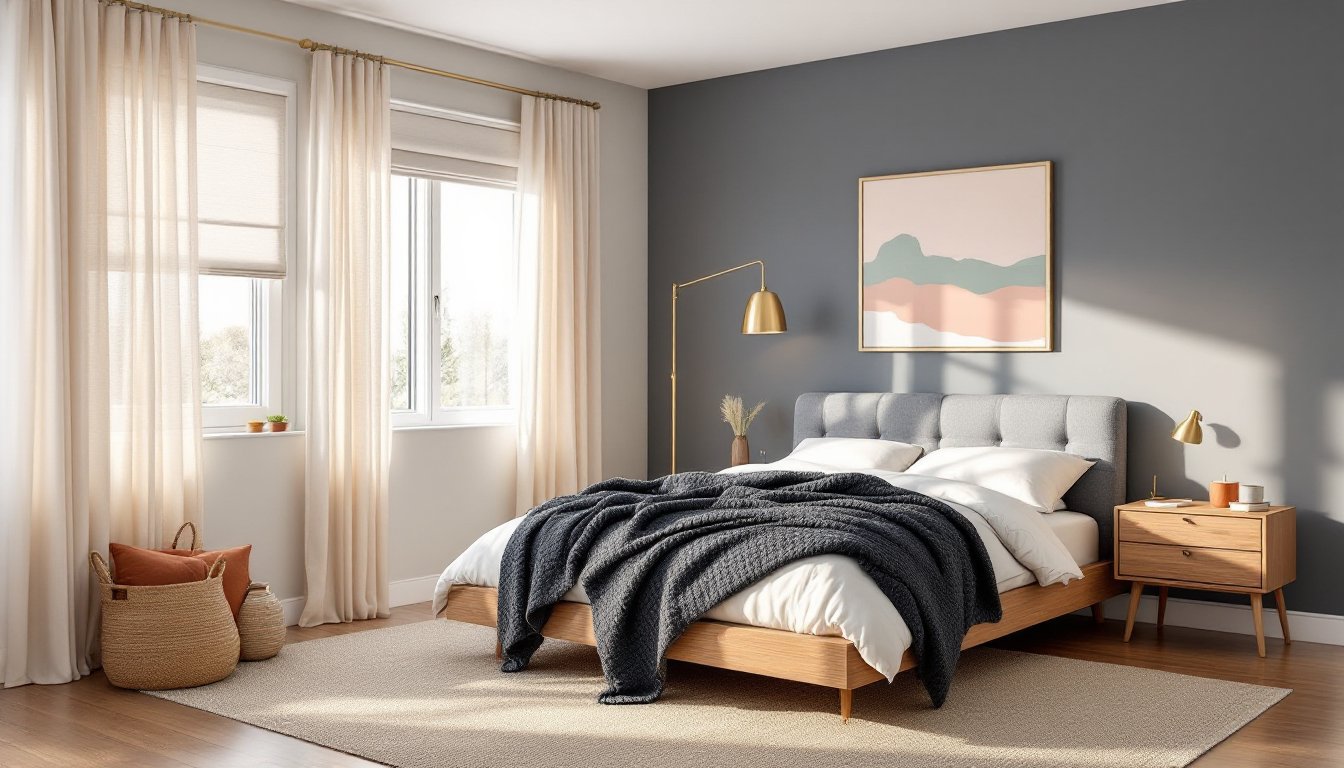

Blue-grey bedroom ideas have become a go-to choice for homeowners wanting a calming, versatile space that doesn’t feel cold or dated. Unlike pure blue, which can skew nautical or corporate, blue-grey strikes a balance, it’s sophisticated enough for contemporary designs and soft enough for traditional spaces. Whether you’re drawn to light blue and grey bedroom ideas or deeper, moodier tones, this color family works across styles and complements almost any furnishing scheme. The beauty of blue-grey is that it creates an instant sense of tranquility while remaining practical for everyday living. If you’re planning a bedroom refresh, understanding how to layer blue-grey with the right textures, lighting, and decor can transform a plain room into the serene retreat you’ve been imagining.
Table of Contents
ToggleKey Takeaways
- Blue-grey bedroom ideas combine the calming properties of blue with grounding grey undertones, making them ideal for creating a serene, versatile retreat without feeling cold or trendy.
- The right shade of blue-grey depends on undertone, lighting, and room orientation—always test paint samples at different times of day before committing to ensure the color looks serene rather than sterile.
- Layering textures through bedding, rugs, throws, and architectural elements prevents blue-grey bedrooms from feeling flat and adds visual depth and warmth to the space.
- Blue-grey walls adapt to multiple design styles, from contemporary minimalist to transitional luxury, by pairing them with appropriate furniture finishes, metallics, and secondary accent colors.
- Transform your blue-grey bedroom gradually by starting with paint, auditing existing furniture, and adding new textiles in phases—an affordable approach that yields immediate visual impact.
Why Blue-Grey Is the Perfect Bedroom Color
Blue-grey works because it borrows the calming properties of blue without the boldness that can feel overwhelming in a bedroom. The grey undertones ground the color, making it less likely to appear nursery-like or too trendy. Sleep research shows that cooler tones, particularly in the blue spectrum, promote relaxation and lower cortisol levels, exactly what you want in a restful space.
From a design standpoint, blue-grey is a chameleon. Pair it with warm wood tones and brass accents, and it leans contemporary-rustic. Add white trim and coastal accessories, and it becomes beach-house chic. Layer it with velvet and jewel-tone accents, and suddenly you have a luxe retreat. The color also plays well with most flooring types, whether you have light oak, dark walnut, or concrete, blue-grey feels at home. One of the biggest practical advantages: blue-grey doesn’t show dust or minor wall marks as readily as pure white or soft pastels, making maintenance easier in a high-traffic bedroom.
Choosing the Right Shade of Blue-Grey
Not all blue-greys are created equal. The undertone, saturation level, and how light hits your walls will determine whether the room feels serene or slightly sterile. Paint samples are non-negotiable here, grab three or four blue-grey options from your local supplier and tape them to different walls in your bedroom, observing them at various times of day.
Warm vs. Cool Undertones
Warm blue-greys contain subtle hints of mauve, taupe, or brown, pulling the color toward greige (a grey-beige blend). These work beautifully with warm wood furniture, brass lighting, and creamy whites. Cool blue-greys skew slightly purple or have a true grey base, pairing naturally with chrome hardware, cooler whites, and contemporary furnishings. If your bedroom gets afternoon sunlight, a warm-leaning blue-grey won’t look washed out. East-facing rooms benefit from cooler undertones, which help counterbalance morning brightness.
Lighting and How It Affects Your Color Choice
Artificial lighting transforms blue-grey dramatically. Warm incandescent or warm LED bulbs (2700K) will make the color appear cozier and slightly more muted, while cool-white LED bulbs (4000K+) can push blue-grey toward a sterile, clinical feel. Most bedroom designers recommend warm-white lighting, it’s flattering and supports melatonin production at night. If you’re using light blue and grey bedroom ideas with pale, barely-there tones, ensure you have good task lighting on nightstands: otherwise, the walls may disappear in dim light. Natural light is the honest test, observe your paint samples at sunrise, midday, and dusk before committing.
Furniture and Decor Pairings for Blue-Grey Walls
Your blue-grey walls are the foundation: furniture and accessories build the mood. For a serene, minimalist approach, keep furniture pieces simple and functional, a low-profile bed frame, a wooden nightstand, and built-in shelving let the wall color shine. Upholstered pieces in soft greys, soft whites, or subtle navy ground the room without competing.
Layering textures is where the magic happens. A linen or linen-cotton blend duvet in cream or soft white feels airy against blue-grey walls. Add a chunky-knit throw in charcoal or oatmeal, and the room gains depth and warmth. Wooden furniture, whether mid-century modern walnut or farmhouse-style pine, anchors the space and adds organic contrast. Metal accents in brushed nickel, matte black, or warm brass all work, depending on your overall style direction.
For decor, avoid matching everything to the walls: that flattens the room. Instead, introduce a secondary color, soft blush, muted sage, or warm terracotta, through pillows, artwork, or a small area rug. A few design inspiration sources showcase how layering unexpected colors with blue-grey creates visual interest without chaos. White or cream bedding paired with navy throw pillows, then a rust-toned accent wall in an alcove or accent piece, keeps the room sophisticated rather than monochromatic.
Creating Depth With Texture and Layering
Flat, single-tone bedrooms feel sterile. Blue-grey can either amplify that problem or solve it, depending on how you layer textures. The key is variation, don’t paint all four walls the same blue-grey and call it done.
Consider an accent wall treatment: paint three walls in your chosen blue-grey and one wall in a deeper shade or complementary color (a slate blue, muted green, or warm grey-brown works beautifully). Or introduce wallpaper on one wall, a geometric, striped, or subtle textured paper breaks up flatness while echoing your color story. Shiplap or beadboard painted in the same blue-grey adds architectural interest and works especially well in cottage or farmhouse styles.
Window treatments matter more than many realize. A linen or linen-blend roman shade in warm white or a tone-on-tone blue-grey allows light control without visual bulk. Layer with lightweight linen curtains in cream or taupe for softness. On the bed, layer a quilted throw over your duvet, then add a woven pouf at the foot, each texture (smooth duvet, quilted throw, woven pouf) creates shadow and depth. Rugs are critical: a large, low-pile wool rug anchors the room, while a smaller, textured jute rug layered on top adds dimension. These textural choices prevent the room from feeling flat or cold, regardless of your blue-grey tone.
Blue-Grey Bedroom Design Styles to Inspire Your Project
Blue-grey adapts to virtually any design direction. Here are four styles that leverage this color beautifully:
Contemporary Minimalist: Pair a cool, true blue-grey with white trim, a sleek platform bed, and metal fixtures. Keep decor intentional, a single large abstract art piece, one sculptural lamp, minimal nightstands. This approach suits smaller bedrooms and those seeking visual calm through simplicity.
Coastal Cottage: Warm blue-grey with whitewashed wood, natural linen textures, and accessories in soft blues and whites. A rope-framed mirror, weathered wood floating shelves, and seagrass baskets reinforce the aesthetic. This style works in any climate, it’s about texture and lightness, not literal beach proximity.
Modern Farmhouse: Cool blue-grey paired with reclaimed or distressed wood furniture, vintage-inspired lighting, and neutral textiles. A mix of old and new, perhaps a vintage dresser next to a modern bed frame, tells a personal story. 25 designer-approved blue bedroom ideas showcase similar color harmony in farmhouse settings.
Transitional Luxury: A deeper, more saturated blue-grey combined with velvet upholstery, brass or gold metallic accents, and jewel-tone throw pillows. A tufted headboard, layered lighting (bedside lamps plus a statement chandelier), and quality linens elevate the space. This approach suits larger bedrooms where you want sophistication without feeling sterile.
Each style proves that blue-grey isn’t a limitation, it’s a springboard. Your personal touches and the secondary colors you introduce define the final mood. Resources like MyDomaine’s decor guides offer extensive examples of how color, texture, and style converge in well-designed bedrooms.
Final Thoughts: Starting Your Blue-Grey Bedroom Project
A blue-grey bedroom refresh doesn’t require a major overhaul. Begin with paint, test samples in natural and artificial light, observe at different times of day, and commit when you’re confident. Next, audit your existing furniture: what stays, what goes, what needs refreshing? Layer in new textiles gradually, a new duvet, pillows, and throw blanket cost far less than new furniture and immediately transform the space. Pay attention to lighting, introduce texture through layering, and let your personal style guide secondary color and decor choices. The result is a restful, sophisticated retreat that works for years to come.