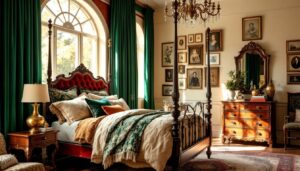


Decorating a bedroom with vintage style doesn’t mean hunting through dusty estate sales for every piece, though that’s part of the fun. A well-designed vintage bedroom blends authentic period pieces with accessible reproductions and strategic styling to create a space that feels both nostalgic and genuinely livable. Whether you’re drawn to the ornate drama of Victorian decor, the geometric boldness of Art Deco, or the clean lines of Mid-Century Modern, vintage bedroom ideas let you craft a deeply personal retreat that tells a story. This guide walks you through choosing a cohesive style, sourcing furniture, and layering textures and lighting to build a bedroom that feels like stepping back in time, without sacrificing modern comfort.
Table of Contents
ToggleKey Takeaways
- Choose a cohesive vintage bedroom style—such as Victorian, Art Deco, or Mid-Century Modern—by collecting inspiration images and identifying patterns in your aesthetic preferences rather than mixing incompatible periods.
- Vintage bedroom ideas succeed when you invest in quality foundational pieces like the bed and one statement dresser, then layer textures with bedding, rugs, and thoughtfully styled accessories.
- Create warm, nostalgic ambiance through layered lighting with a vintage-inspired ceiling fixture paired with bedside task lamps set to warm white (2700K) rather than harsh overhead lighting.
- Paint and repurposing existing furniture are budget-friendly design tools that transform vintage pieces—a worn dresser or old bookcase can be refreshed with quality furniture paint or upcycled into functional decor.
- Balance authentic vintage pieces from estate sales and antique dealers with affordable reproductions and thrifted accessories to achieve the vintage bedroom aesthetic without excessive spending.
- Vintage bedroom walls, color palettes, and textiles work best when intentional and restrained—use wallpaper on a single accent wall, commit to one bold color scheme, and avoid over-accessorizing every surface.
Choosing Your Vintage Bedroom Style
The first step in creating a vintage bedroom is narrowing your aesthetic down. Vintage is a broad umbrella, and mixing incompatible periods often reads as chaotic rather than eclectic. Start by asking yourself what era genuinely appeals to you, do you love ornate details, minimal silhouettes, or bold geometric patterns?
Victorian, Art Deco, and Mid-Century Modern Aesthetics
Victorian style (roughly 1837–1901) leans into abundance: carved wood furniture, heavy fabrics, ornamental mirrors, and layered patterns. A Victorian bedroom typically features a tufted upholstered headboard, dark wood bed frame, and rich jewel tones like emerald or burgundy. This style rewards curated maximalism, think decorative pillows, framed botanical prints, and a statement chandelier.
Art Deco (1920s–1930s) strips away the fussiness and embraces geometric shapes, metallic accents, and high contrast. Expect streamlined furniture with clean edges, mirrors with chrome or brass frames, and bold color blocking. An Art Deco bedroom feels sophisticated and intentional, every piece has visual weight.
Mid-Century Modern (1945–1969) prioritizes function and simplicity. Tapered wooden legs, minimal ornamentation, and neutral or muted color palettes define this style. A Mid-Century Modern bedroom might feature a low platform bed, a sleek wooden dresser, and one or two statement lighting pieces.
Before committing to a style, spend a week collecting images of rooms that genuinely excite you. Scroll through home design platforms and save examples. You’ll likely notice patterns, a preference for certain woods, color families, or decorative approaches. That pattern is your authentic vintage direction, not a generic “vintage bedroom” Pinterest board.
Color Palettes and Wall Treatments for Vintage Spaces
Color sets the mood in a vintage bedroom. Victorian spaces traditionally use deep, saturated colors: forest green, deep plum, jewel-toned blues, or warm burgundy. These shades work beautifully on accent walls and pair well with cream or off-white trim. If you’re hesitant about committing to bold wall color, paint a single accent wall behind the bed, it anchors the space and lets you experiment without overwhelming the room.
Art Deco bedrooms often feature high-contrast schemes: black and gold, cream and navy, or white with emerald green. Consider painting two walls in contrasting colors or using a metallic accent stripe (available as wallpaper or applied with painter’s tape and semi-gloss paint).
Mid-Century Modern bedrooms embrace softer palettes: soft grays, warm taupes, pale blues, or soft greens. These colors create a calm foundation that lets vintage furniture shine without visual noise.
For wall treatments, wallpaper adds instant character. Vintage-inspired patterns, botanical prints, damask, geometric designs, or floral motifs, are widely available and often at affordable price points. Quality vintage bedroom decor ideas involve using wallpaper on one accent wall rather than all four: this approach prevents the room from feeling dated or overwhelming. Ensure walls are clean, smooth, and properly primed before painting or wallpapering. Use 120-grit sandpaper on any bumps or imperfections, prime with quality primer, and allow proper drying time between coats. Most modern paints cover at approximately 350 square feet per gallon with two coats, so measure carefully and buy accordingly.
Furniture Selection: Where to Find Authentic Vintage Pieces
Quality vintage bedroom furniture anchors the entire design. The bed is your starting point, it typically occupies 30–40% of visual space, so choose something that genuinely aligns with your selected era.
Authentic vintage pieces come from several reliable sources. Local estate sales and auctions often yield exceptional finds at reasonable prices: spend 10–15 minutes examining a piece for structural soundness (check drawers, joints, and any signs of woodworm or water damage). Online platforms like Facebook Marketplace, Craigslist, and specialized vintage furniture sites offer broader selection but require careful photo inspection and honest communication with sellers about condition.
Antique shops and reputable dealers cost more but guarantee authenticity and often provide restoration history. If you’re seeking investment-quality pieces, dealers are worth the premium.
Reputable vintage-inspired reproductions from furniture makers offer a practical middle ground if authentic pieces are hard to source locally or exceed your budget. Many homeowners combine both approaches: an authentic vintage bed frame paired with reproduction nightstands, for example.
When evaluating furniture, check for structural integrity first, legs should be solid, joints should not wobble, and drawers should glide smoothly. Surface condition matters less than functionality: a scratched wood dresser can be refinished, but a wobbly frame may require expensive repair. Transport presents another practical consideration: most vintage pieces are heavier than modern furniture. Measure doorways, hallways, and staircases before purchasing anything large. Many DIYers overlook this step and end up returning an otherwise perfect piece simply because it won’t fit through the bedroom door. As noted in vintage décor ideas including cast iron beds, authentic cast iron bed frames and four-poster beds are timeless anchors that work across multiple vintage styles.
Layering Textures With Bedding, Rugs, and Accessories
Vintage bedrooms thrive on textural contrast. Hard furniture surfaces pair beautifully with soft, layered textiles that invite comfort and visual interest.
Start with bedding. High-quality cotton or linen sheets in cream, soft white, or muted tones create a restful base. Layer with a vintage-style quilt, pieced quilts work well for farmhouse or Victorian aesthetics, while a solid chenille or velvet bedcover suits Art Deco spaces. Add throw pillows in complementary fabrics: velvet, linen, damask-print cotton, or faux fur. Aim for 4–6 pillows at varying heights to create a styled, intentional look.
Rugs anchor the room and define the sleeping area. An 8×10 or 9×12 rug positioned partially under the bed provides visual grounding and warm feet in winter. Vintage-style rugs in Persian, Turkish, or traditional patterns work well: alternately, solid rugs in warm neutrals let furniture stand out. Ensure the rug is secure with a non-slip rug pad underneath, this prevents tripping hazards and protects flooring.
Accessories tell the vintage story. Nightstands benefit from task lamps (brass or ceramic bases work well), a small trinket dish, and perhaps a vintage book stack. Dresser tops should be organized but not sterile, a decorative mirror, a perfume bottle, and framed photos create a curated vignette. Walls display botanical prints, vintage portraits, or a gallery wall of complementary frames. Avoid the impulse to fill every surface: restraint prevents clutter that undermines the vintage aesthetic.
Curtains deserve attention too. Heavy drapes in velvet or damask-print fabric add luxury and insulate against heat loss. Hang rods at or just above the window frame and extend curtains to within 2 inches of the floor for a polished look. A sheer undercurtain softens light and adds depth.
Lighting: Creating Warm, Nostalgic Ambiance
Lighting transforms a vintage bedroom from a styled snapshot into a genuinely comfortable space. Modern overhead ceiling fixtures often clash with vintage aesthetics, so prioritize layered lighting that mimics the soft, warm quality of older homes.
A vintage or vintage-inspired chandelier, pendant, or semi-flush fixture works as ambient lighting. Art Deco bedrooms benefit from geometric or brass fixtures, while Victorian spaces suit ornate crystal or brass chandeliers. Mid-Century Modern pairs beautifully with sputnik-style or simple geometric pendants. Ensure your fixture is rated for the ceiling height and room size, a fixture that’s too small looks undernourished, while one that’s oversized dominates awkwardly.
Bedside task lighting is essential. Vintage table lamps with ceramic, brass, or glass bases provide localized light for reading without flooding the entire room. Look for lamps with fabric shades in cream, linen, or patterned fabric that echoes your color palette. Ensure bulbs are warm white (2700K color temperature) rather than harsh cool white, warm light enhances the vintage atmosphere and is gentler for evening relaxation.
If your bedroom lacks wall outlets near the bed, battery-powered reading lights or clip-on lamps provide practical alternatives. Wall-mounted brass sconces flanking a mirror or headboard add functional elegance without consuming surface space.
Consider installing a dimmer switch on your main ceiling fixture if possible. A dimmer ($20–$50 for basic models) lets you adjust light intensity from bright for cleaning to soft for ambiance. Installation requires turning off power at the breaker and swapping the existing switch: if you’re unfamiliar with electrical work, hire a licensed electrician, electrical code requirements vary by jurisdiction, and improper work creates safety hazards.
Budget-Friendly Tips for Achieving the Vintage Look
Authentic vintage pieces don’t require deep pockets if you’re strategic. Focus your budget on one or two investment pieces, typically the bed and one quality dresser or nightstand, and supplement with reproductions and found items.
Thrift stores, local auctions, and clearance sections of home goods retailers often stock vintage-inspired accessories at 50–75% off retail. A $3 brass picture frame, $8 ceramic lamp base, or $15 throw pillow collectively create the vintage mood without a luxury price tag. Estate sales in older neighborhoods frequently yield higher-quality pieces than thrift stores: arrive early and be prepared to move quickly on desirable items.
Paint is your cheapest design tool. A vintage dresser with worn veneer transforms completely under fresh paint, a Mid-Century Modern piece looks current in soft gray or sage, while an ornate Victorian dresser might get jewel-tone treatment. Use quality furniture paint (designed to adhere without extensive sanding), prime bare wood with bonding primer, and apply two coats. Plan 8–12 hours of drying time between coats depending on humidity. This project requires minimal tools (paintbrush or foam roller, drop cloth, painter’s tape, and basic PPE like gloves and a dust mask if sanding) and costs under $50 in materials.
Repurpose what you have. An old bookcase becomes a nightstand with the addition of a lamp and small tray. A vintage frame paired with printed vintage wallpaper or botanical illustrations costs far less than original artwork. Textiles like vintage scarves, tea towels, or table runners can be framed, layered, or draped to add character.
Non-negotiable budget items include quality bedding, you spend roughly one-third of your life in bed, so invest in sheets that feel good and last, and proper lighting. Cheap overhead fixtures cheapen the entire look, while thoughtful lighting elevates even modest furniture. Bedding and lighting combined might run $300–$500 depending on quality and style, but these items anchor a cohesive, livable vintage bedroom.
Final Thoughts
Building a vintage bedroom is a process, not a single weekend project. Start with your core style, commit to a cohesive color palette, and source foundational pieces thoughtfully. Textiles, lighting, and accessories layer in over time as you discover pieces that genuinely excite you. The best vintage bedrooms combine authentic era elements with modern comfort, quality sleep, proper climate control, and contemporary conveniences tucked discreetly behind period details. Whether you’re creating a space inspired by your grandmother’s home or a carefully curated room that blends periods and aesthetics, vintage bedroom design rewards patience and attention to detail. Your bedroom deserves to be both beautiful and deeply, genuinely comfortable.