
A corner fireplace is one of the smartest ways to make a small room feel cozier without eating up wall space. Whether you’re working with a tight living room, cozy bedroom nook, or basement den, positioning a fireplace in the corner maximizes square footage while creating a natural focal point. The right corner fireplace design can anchor your entire room’s aesthetic, from sleek modern lines to warm, rustic charm. This guide walks you through inspiring designs, installation considerations, and styling strategies to help you bring heat and character to that unused corner.
Table of Contents
ToggleKey Takeaways
- Corner fireplace ideas transform unused spaces into stylish focal points while maximizing square footage in small rooms.
- Modern corner fireplace designs range from sleek minimalist electric units to contemporary stone and metal accents that suit any aesthetic.
- Proper framing, clearance codes, and non-combustible materials are essential for safe wood-burning and gas fireplace installations, while electric fireplaces eliminate venting requirements.
- Symmetrical mantel styling with minimal accessories, paired with strategic lighting, creates ambiance and prevents visual clutter around your corner fireplace.
- Color coordination between the fireplace surround and adjacent walls, plus layered lighting and functional accessories, complete a well-designed corner fireplace arrangement.
Modern Corner Fireplace Designs
Sleek and Minimalist Fireplace Styles
Minimalist corner fireplaces strip away ornament and focus on clean geometry. Think a thin stainless steel surround with a simple black or white mantlepiece, letting the flames do the visual work. Wall-mounted electric fireplaces fit this aesthetic perfectly: no venting required, no ash, and complete control over flame effect and heat output. A floor-to-ceiling surround in matte black or charcoal creates drama without clutter.
Gas inserts offer another sleek option. A compact corner gas stove (typically 24–36 inches wide) slides neatly into a pre-built corner nook with minimal framing. Pair it with a simple stone or concrete hearth and a linear mantel shelf for a contemporary vibe. The key is restraint: limit accessories on the mantel to one or two sculptural pieces.
Contemporary Stone and Metal Accents
Modern corner fireplace ideas often blend industrial and natural materials. Stacked slate, large-format tile, or 3D stone veneer on accent walls create visual interest without looking fussy. Charcoal-gray or warm-toned limestone tiles work particularly well in corner installations because the angled placement breaks up monotony.
Metal frames add an edge. Brushed steel or blackened iron surrounds keep the focus on the flame while adding geometric precision. A metal fireplace grate or decorative mesh screen protects while complementing modern hardware elsewhere in the room. Pair these materials with a polished concrete hearth for a gallery-like, curated feel.
Consider a corner installation where the fireplace surround extends 3–4 feet up the wall, anchoring two walls at once. This treatment works beautifully in corner seating nooks where the fireplace becomes a backdrop for built-in benches or a low entertainment console.
Classic Corner Fireplace Arrangements
Traditional corner fireplaces emphasize symmetry and craftsmanship. A brick or stone chimney breast angled into the corner, topped with a substantial wooden mantel, feels timeless. Brick arrangements, whether running bond or herringbone, gain visual weight in a corner because you’re seeing two walls of texture simultaneously.
Classic mantels are typically 4–6 inches thick and project 6–12 inches from the wall, providing real display space. Granite or marble surrounds (often in a simple frame format) elevate the look without veering into ornate. Pair these with cast iron or brass fireplace accessories, andirons, pokers, and a sturdy screen, for authenticity.
Corner fireplaces in colonial and Victorian homes often featured a tile surround in Delft blue, cream, or earth tones, sometimes with a smaller corner detail tile at the apex. Recreating this look today means sourcing reproduction tile or high-quality ceramic that echoes those proportions and glazes.
One trick: a corner fireplace with built-in bookshelves on either side (using the space from the hearth up to chest height) creates a library-like feel. Keeping shelves symmetrical and reserving the mantel top for minimal décor reinforces the classical arrangement. This layout is particularly effective in homes with existing architectural character or crown molding.
DIY Corner Fireplace Installation Tips
Before swinging a hammer, determine whether you’re working with a wood-burning unit, gas insert, or electric fireplace, each requires different framing, venting, and clearance codes. Always check your local building codes and fire codes first. Vented gas and wood-burning fireplaces require professional chimney inspection and, often, a permit.
Framing and clearance are non-negotiable. Wood-burning and gas fireplaces demand specific clearances from combustible materials (typically 12–24 inches, per IRC codes). Use non-combustible materials like drywall, cement board, stone, or tile for the surround. Corner installations can make clearance math tricky since you’re working with two walls: measure carefully and mark clearance zones with painter’s tape before building.
For a drywall and tile surround, frame out the opening with 2×4 studs, running them vertically along both corner walls. Install the fireplace unit first (whether insert, stove, or electric box), then build the surround around it. Shim carefully to keep the unit plumb and level, any tilt affects draft and heat distribution.
Electric fireplaces sidestep most of these headaches: no venting, no special clearances, and they plug into a standard outlet (or hardwired into a dedicated circuit for heavy-duty units). Wall-mounted electric units need only a backing frame and electrical rough-in. Concrete board behind the unit protects drywall and aids heat distribution.
Pro tip: Stage your mantel height by taping its outline on the wall before installing the surround. Live with it for a few days to confirm sightlines and proportions. Mistake in framing is easier to correct than a mantel installed 6 inches too high.
Use a laser level when installing tile or stone on angled corner walls: corners naturally fool the eye. Thinset mortar applied with a notched trowel ensures full coverage, voids underneath tile lead to cracking and hollow-sounding surfaces. Let thinset cure 24 hours before grouting.
Styling and Decorating Around Your Corner Fireplace
Creating Ambiance With Lighting and Accessories
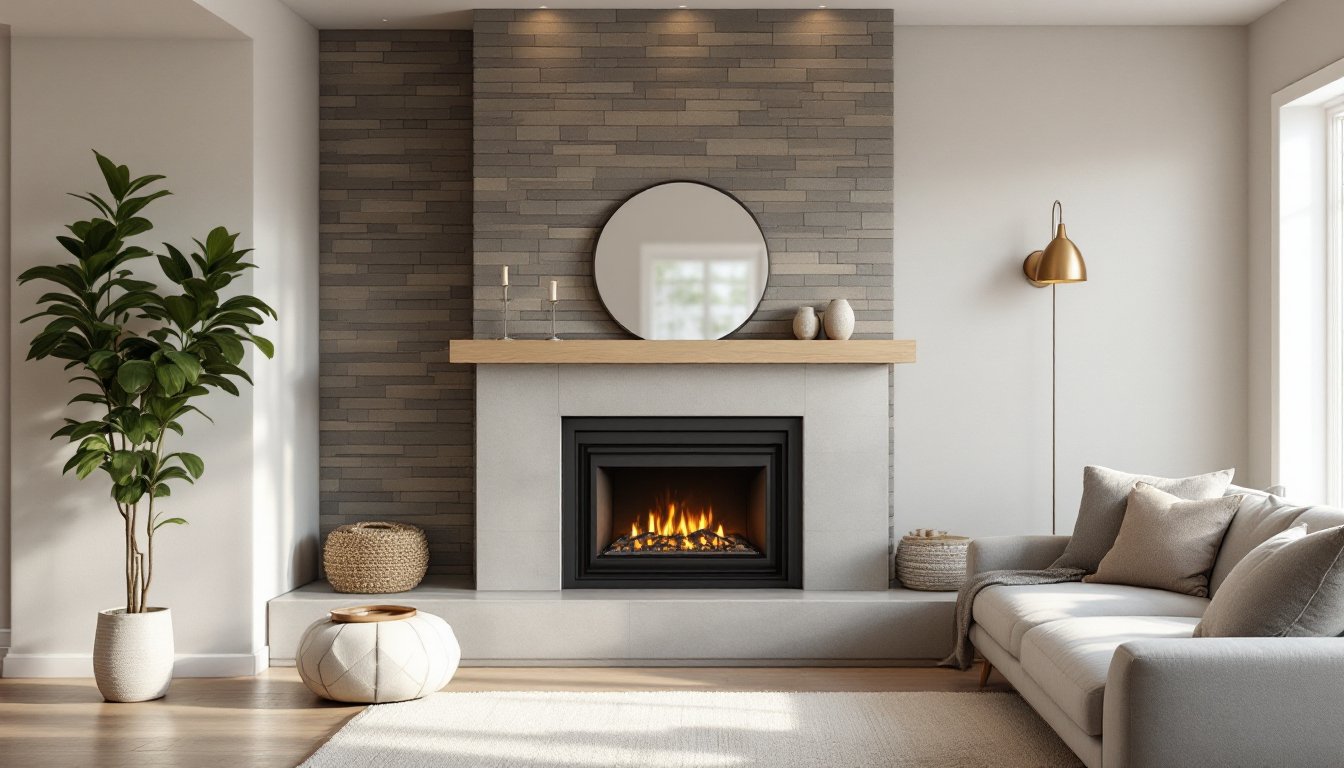
A corner fireplace deserves intentional styling. Begin by anchoring furniture toward the fireplace, even if the room isn’t large, a corner settee or pair of facing chairs naturally frames the view. Reserve the mantel top for a simple, symmetrical arrangement: a mirror or artwork centered, with two smaller items (candlesticks, urns, framed photos) flanking it. Avoid a cluttered look: let the fireplace’s texture and warmth carry the visual weight.
Lighting amplifies ambiance. Install a picture light or small wall sconce above a mantel mirror to graze light downward, highlighting stone texture and creating warmth after dark. Recessed or track lighting in the ceiling can wash the fireplace surround without glare. Dimmer switches let you shift tone throughout the day, bright for morning, moodier for evening.
In corner nooks, layer lighting with table lamps on low side tables flanking seating. Pendant lights suspended at the ceiling corners add architectural interest without blocking sightlines. For visual inspiration on how to style a full room around a fireplace, explore resources like Homedit and Homify, which showcase real rooms demonstrating how focal points drive layout and décor choices.
Accessories should complement, not compete. Fireplace tool sets in black steel or oil-rubbed bronze add function and style: ensure they’re properly sized for your hearth (typically 30–36 inches tall for a full set). Woven baskets beside the hearth store firewood while adding texture. A simple log holder or wrought-iron magazine rack keeps fuel organized and accessible.
Color coordination matters more in a corner because you’re looking at two walls simultaneously. A deep forest green, warm charcoal, or soft cream on one wall (the fireplace surround) reads cleaner if the adjacent wall stays neutral or complements subtly. Avoid high-contrast clashing: the fireplace itself provides enough visual drama.
Seasonal styling keeps a corner fireplace fresh. String garland along the mantel in winter: swap in simple vessels or branches in spring. A leaning mirror behind or beside the fireplace enlarges the visual space and bounces light, making smaller corners feel more open. For additional design direction on modern and traditional arrangements, Home Bunch provides curated inspiration across styles and room types.