
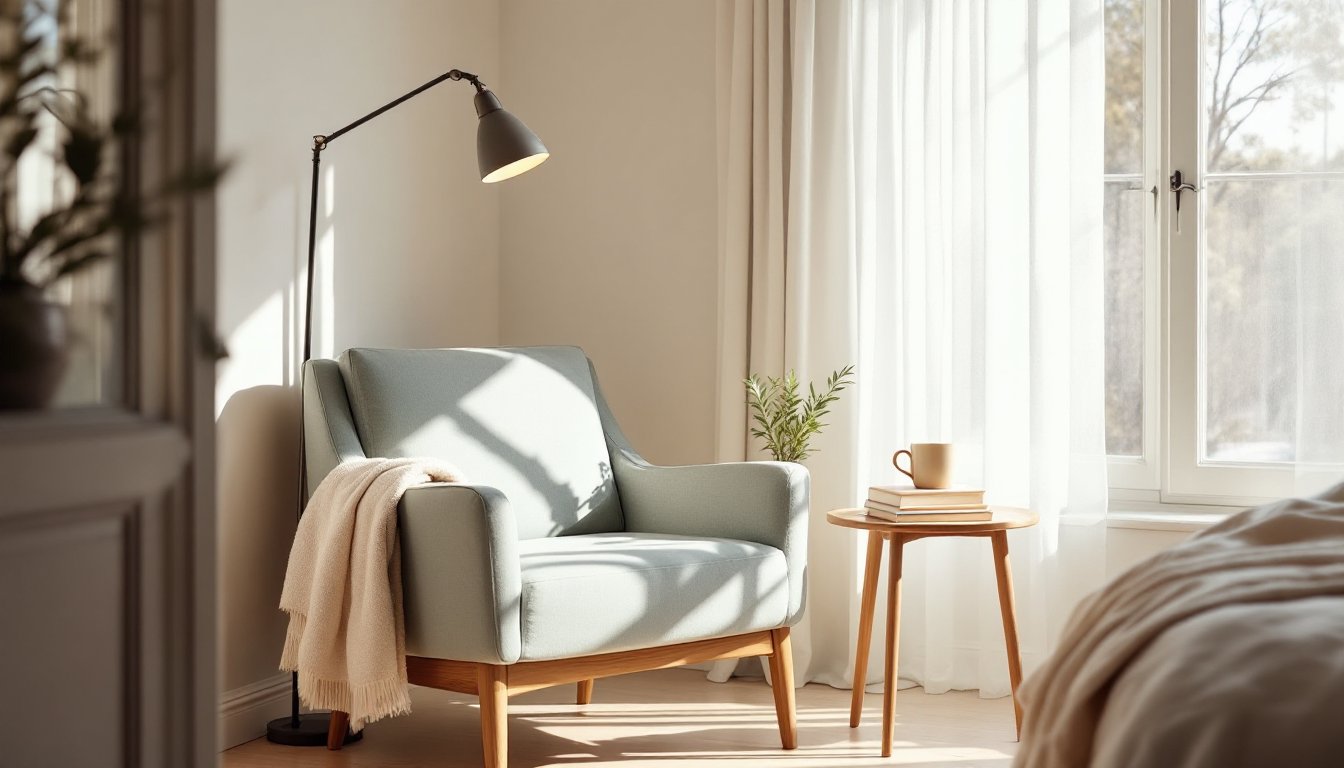

A bedroom chair isn’t just a piece of furniture, it’s an opportunity to inject personality and function into your most private retreat. Whether you’re looking for bedroom accent chair ideas, a cozy reading corner, or a stylish perch to dress by, the right chair can completely transform how you use and feel in your space. In 2026, bedroom chair options span from minimalist designs to luxurious upholstered statements, with solutions that work in everything from sprawling master suites to tight apartments. This guide covers seven proven styles and practical advice for choosing and positioning a chair that actually fits your bedroom’s layout, aesthetic, and lifestyle, no Pinterest perfection required, just honest recommendations that work.
Table of Contents
ToggleKey Takeaways
- A bedroom chair transforms your space from a sleeping box into a functional sanctuary by providing a reading retreat, dressing station, and filling dead space while adding visual interest.
- The best bedroom accent chair ideas combine clean lines and neutral fabrics for minimalist rooms, or luxurious upholstery with quality hardwood frames for added warmth and durability.
- Effective reading nooks require positioning near natural light, layered task and ambient lighting, a small side table, and comfort elements like throws and lumbar pillows for extended sitting.
- For small bedrooms, choose chairs under 28 inches wide with tapered legs and light colors to create visual space, and pair them with nesting tables and vertical lighting to maximize floor area.
- Prioritize frame construction (hardwood with corner-blocking or mortise-and-tenon joinery) and fabric quality over price—investing in durable pieces for daily use prevents sagging and creaking after years of regular use.
- Measure your space honestly before purchasing, accounting for doorway clearance (32–36 inches) and armrest swing, and choose based on actual function: reading comfort, dressing needs, or decorative impact.
Why A Bedroom Chair Matters More Than You Think
Most people overlook the bedroom chair because it’s not a bed, not a nightstand, and doesn’t fit the “essentials” checklist. But here’s the reality: a well-placed chair transforms your bedroom from a sleeping box into a genuine sanctuary. It gives you a spot to sit and decompress, creates visual interest, and makes the room feel intentionally designed rather than haphazardly furnished.
Functionally, a bedroom chair pulls double duty. It’s your getting-dressed station when you need a place to lay out tomorrow’s outfit. It’s your reading retreat when you don’t want to be horizontal. It’s extra seating when guests need a place to sit. A strategically positioned chair also fills dead space, that corner by the window or the gap between your dresser and the wall, making your entire bedroom layout feel more purposeful.
Design-wise, a chair adds texture, color, and dimension. A neutral bedroom gets depth from an upholstered accent piece. A colorful bedroom gains anchor point from a complementary or contrasting chair. Even minimalist spaces benefit from a single, well-chosen chair that echoes their design philosophy. The key is picking a style and placement that serves your actual life, not just Instagram.
Cozy Reading Nooks: Creating Your Perfect Retreat Space
If you’re a reader, a bedroom chair is non-negotiable. The goal is creating a micro-environment that feels separate from the rest of your room, a small nest that says “do not disturb.” Start by positioning your chair near a natural light source, typically a window. Daylight reading is easier on the eyes than lamp-only light, and windows provide a visual break without leaving your retreat.
Pair your chair with a small side table (12–18 inches tall works for most chairs) to hold a book, coffee, phone, or lamp. A small bookcase or floating shelf nearby keeps your current reads at arm’s reach without cluttering the chair itself. Add a soft throw blanket draped over the armrest and a lumbar pillow for long-reading sessions. These aren’t decorative afterthoughts, they’re functional elements that keep you comfortable enough to actually sit for hours.
Lighting matters hugely. A reading nook needs both ambient light (your bedroom ceiling fixture or soft overhead lamp) and task light (a floor lamp or gooseneck wall lamp positioned slightly behind or beside the chair). Task lighting should angle down so it illuminates your book without creating glare. Layering these light sources gives you flexibility depending on time of day and whether you’re reading, resting, or just sitting quietly.
Modern Minimalist Chairs For Clean, Contemporary Bedrooms
Minimalist bedroom design demands restraint, and your chair should echo that philosophy. Look for pieces with clean lines, no fussy detailing, and neutral fabrics like linen, cotton, or performance blends in whites, grays, or blacks. An Eames-inspired lounge chair, a simple wooden frame chair with a cushion, or a sculptural molded-plastic piece all work.
The material should be honest, no fake leather peeling in two years, no synthetic fabrics that pill. Real linen wrinkles, and that’s intentional in minimalist design: it shows authenticity. Wooden frames should showcase the wood grain, not be hidden under upholstery. Legs matter, too. Minimalist chairs typically rest on tapered metal legs or exposed wooden legs, keeping the piece visually light and preventing that “heavy furniture” feeling.
Size is critical in minimalist spaces. An oversized club chair reads as clutter: a sleek, proportionate piece (roughly 28–32 inches wide) feels intentional. The bedroom accent chair ideas that work best in minimal rooms are single-seaters with subtle texture, maybe a herringbone weave or subtle pattern, rather than bold patterns that demand attention. Pair with a matching or complementary throw pillow and keep additional decor minimal: the chair should be the focal point, not compete with ten other design elements.
Upholstered Accent Chairs: Adding Luxury and Texture
Upholstered accent chairs bring warmth, softness, and color to a bedroom. This is where you can take a design risk, a jewel-tone velvet, a rich leather in cognac or chocolate, a textured performance fabric in sage green. The upholstery is what makes an accent chair feel intentional and special.
When shopping for upholstered pieces, examine the frame construction first. Look for hardwood frames (maple, oak, or beech), not particle board or plywood: they’ll last 10+ years instead of 3–5. Joinery should be corner-blocked (reinforced at joints) or mortise-and-tenon (traditional joinery), not just glued. Ask the salesperson or check product specs. A good upholstered chair costs more upfront but won’t sag or creak after a few years of regular use.
Fabric choice shapes both durability and feel. Natural fabrics like cotton and linen are breathable but stain easily. Wool is durable and naturally stain-resistant but can be pricey. Performance fabrics (synthetics engineered to resist stains and pilling) are practical if you have kids, pets, or just prefer low-maintenance decor. Leather adds luxury but requires conditioning: faux leather is affordable but doesn’t age as gracefully. For a bedroom, comfort matters as much as appearance, so sit in the chair, lean back, test the armrest height, and ensure the depth suits your build, a 26-inch seat depth is standard, but taller or shorter folks may prefer 24 or 28 inches.
Mid-Century Modern Chairs For Timeless Appeal
Mid-century modern design pairs function with aesthetic restraint, making it perfect for bedrooms that want personality without trend-chasing. Think tapered legs, gentle curves, and paired-down ornamentation. An Eames lounge chair, a Danish wingback, a compact swivel rocker, or a simple bent-plywood chair all work. The style ages gracefully and works in both contemporary and traditional bedrooms.
Craft and material quality define mid-century pieces. Solid wood frames (walnut, teak, or rosewood) are typical and age beautifully. Upholstery is usually wool, leather, or linen, materials that develop patina rather than look worn. Colors trend toward warm neutrals, muted jewel tones, and the occasional pop of saturated color (think burnt orange or forest green). These weren’t cheap pieces when new, and quality examples still hold value today.
If you’re on a budget, reproduction mid-century pieces from mainstream retailers work fine for visual impact, though they won’t have the durability of originals. Thrift stores and estate sales often yield authentic pieces at reasonable prices if you hunt. A single genuine or well-made reproduction mid-century chair in a bedroom instantly elevates the space and works across multiple decor styles. Pair it with a natural wood nightstand or a steel-and-glass table for visual coherence.
Small Space Solutions: Bedroom Chairs For Compact Rooms
In a small bedroom, a chair can feel like a luxury you can’t afford. But the right piece actually saves space by serving multiple functions and using your vertical real estate wisely. A slim wingback, a compact accent chair (under 28 inches wide), a lightweight woven rattan chair, or even a poufy with a cushion works when your square footage is tight.
Consider height and visual weight. A chair with tapered legs and a lower silhouette feels less bulky than a heavy, floor-hugging piece. Pairing your chair with a nesting side table (two tables that stack into one) saves surface area compared to a full-size accent table. A floor lamp tucked beside the chair uses vertical light rather than precious floor space. You can even find compact twin sleeper chair plans if you want a DIY piece that combines seating with hidden guest sleeping capacity, though this is more involved for someone without woodworking experience.
Color and fabric matter in small rooms. A light-colored chair (cream, pale gray, soft taupe) visually expands the space: a dark chair absorbs light and feels heavier. In a small bedroom, the bedroom inspiration ideas guide provides additional context on how to layer small pieces. Avoid fussy patterns that add visual noise. Simplicity and light tones are your allies when floor space is premium. A narrow upholstered chair in a neutral tone next to a window, paired with a single side table and a clip-on reading lamp, gives you a complete reading retreat without crowding the room.
Choosing The Right Bedroom Chair For Your Style And Budget
Start by defining what you actually need. Are you buying for reading, dressing, decorative impact, or guest overflow seating? Your answer shapes whether you need armrests, swivel function, durability for daily use, or just a beautiful silhouette. A reading chair needs comfort and good proportions for long sits: a decorative chair can sacrifice some comfort for visual impact.
Measure your space honestly. Account for the chair’s footprint, the swing of the armrests (if any), and how it’ll relate to other furniture. A corner placement near a window is ideal: a spot blocking the closet or bathroom door isn’t. Doorways need 32–36 inches of clear passage, so ensure your chair doesn’t cut into that.
Budget considerations vary wildly. A quality used mid-century piece or a good reproduction runs $300–$800. A high-end upholstered accent chair costs $1,000–$2,500+. IKEA and similar retailers offer budget pieces ($150–$400) that look good but won’t last a decade of heavy use. DIY hacking (painting a thrift-store chair, recovering cushions, pairing IKEA frames with custom upholstery via IKEA Hackers) can yield unique results at mid-range prices. Interior design resources like MyDomaine’s decor guides offer visual inspiration if you’re unsure about scale, color, or placement. The key: spend according to how much you’ll actually use the chair. If you’re a daily reader, investing in a durable frame and quality fabric pays off. If it’s occasional seating, a budget piece is fine as long as it’s stable and safe.
Final Thoughts: Making Your Bedroom Yours
A bedroom chair is one of the easiest ways to add intentionality and comfort to your personal space without a major renovation. Whether you choose a minimalist Scandinavian piece, a cozy upholstered accent chair, a timeless mid-century design, or a space-saving solution for a small room, the goal is the same: creating a spot where you actually want to sit, relax, and be. Measure first, choose honestly, and you’ll end up with a chair that serves your bedroom for years to come.