
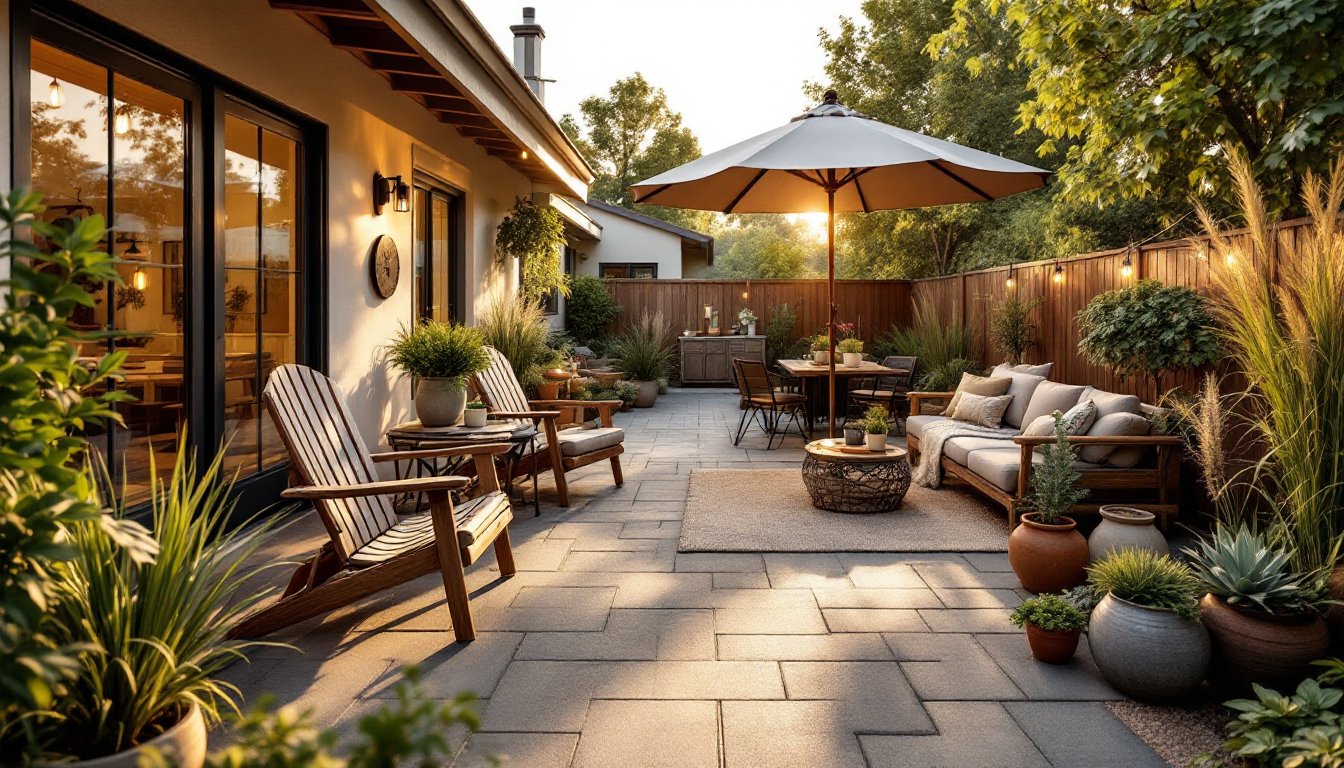

Spring marks the season when homeowners finally venture outside to reclaim their outdoor spaces. Your front patio is no longer just a transition zone between street and door, it’s an extension of your home and a reflection of your style. Whether you’re starting from a blank concrete slab or refreshing an existing front patio design, thoughtful planning transforms this high-visibility area into a true outdoor oasis. The following seven design ideas blend functionality with aesthetic appeal, giving you actionable steps to create a welcoming front patio that invites relaxation and entertaining.
Table of Contents
ToggleKey Takeaways
- Layered seating with mixed chair types and heights creates visual interest and signals your front patio as a destination worth lingering in, not just a pass-through.
- Group planters in odd numbers and vary heights using tiered arrangements to maximize impact and create a garden gallery feel in compact front patio spaces.
- String lights, path lights, and warm LED fixtures (2700K) extend usability after dark and add welcoming ambiance without institutional brightness.
- Proper flooring with correct slope (1/8 inch per foot) and defined borders anchors your front patio and prevents water pooling or maintenance issues down the line.
- Shade structures like pergolas, shade sails, or retractable awnings transform an uncomfortable front patio into a genuinely usable retreat during peak afternoon hours.
- Keep accessories curated—three to five intentional pieces reveal personality better than ten scattered items, maintaining an inviting entryway year-round.
Create A Welcoming Entry With Layered Seating
A front patio that stops foot traffic dead starts with seating that says, “Stay awhile.” Layered seating means mixing chair types and heights to create visual interest and accommodate different comfort levels. Start with two substantial lounge chairs or a small outdoor sectional, these anchor the space and signal that the patio is a destination, not a pass-through.
Add a pair of complementary accent chairs or a bistro set nearby. This second layer gives flexibility: visitors can pull up a seat, and you gain depth in the composition. Include at least one small side table per seating group, a 20-inch side table works well, so people have a spot for drinks or books without fumbling.
Choose weather-resistant materials like teak, recycled plastic, or metal frames with outdoor cushions. If budget is tight, a single quality lounge chair plus two bistro chairs accomplishes the goal without overcrowding. The key is creating pockets of comfort that draw people forward into your front patio design.
Add Greenery And Planter Arrangements
Plants humanize a patio instantly. Instead of scattering pots randomly, group planters in odd numbers (3, 5, or 7) and vary their heights using plant stands or tiered planters. Position the tallest plants, ornamental grasses, small shrubs, or tall perennials, at the back or sides to frame the space without blocking views from the street.
Mid-height planters with flowering plants or trailing vines go in the middle layer, and low groundcovers or succulents anchor the foreground. This tiered approach creates a garden gallery feel and maximizes visual impact in a compact front patio area.
Select plants suited to your climate and sunlight. Full-sun patios thrive with heat-tolerant selections like sedums, Russian sage, or ornamental grasses. Partial-shade areas work with hostas, coral bells, or shade-tolerant flowering shrubs. Use consistent pot materials, ceramic, terra cotta, or metal, within each grouping to unify the look. Scaling your planter sizes proportionally (a 16-inch pot paired with an 8-inch pot, for example) creates rhythm and prevents a cluttered appearance.
Install Ambient Lighting For Evening Appeal
A lit front patio extends usability beyond daylight and transforms the space after dark. String lights hung overhead create a canopy effect and instantly add warmth and invitation. For a 10-by-12-foot patio, run two or three parallel lines of café lights or Edison bulbs about 8 feet high, anchored to the house fascia and a post or tree at the patio’s edge.
Layer in path lights along walkway edges, spaced roughly 3 to 4 feet apart, to guide foot traffic safely. Add uplighting or accent lights behind planters or focal features to create depth and drama. Warm LED options (2700K color temperature) feel inviting: avoid bright white lights that can feel institutional.
When installing electrical for permanent fixtures, ensure any outdoor outlets meet NEC (National Electrical Code) requirements and are GFCI-protected. If running new circuits feels daunting, battery-powered or solar lights skip the wiring headache, though they’re less durable long-term. A combination of permanent string lights plus solar stakes or battery lanterns balances ambiance with budget.
Define Your Space With Flooring And Materials
Flooring anchors your front patio and signals a deliberate threshold between yard and gathering space. Concrete pavers, permeable gravel, or poured concrete are all viable, depending on climate and budget. Permeable pavers (about $6 to $12 per square foot installed) work well in regions with moderate rainfall, since they reduce runoff and feel finished without very costly.
For a polished look, consider pea gravel in a defined border frame, affordable at roughly five dollars per square foot and visually clean. Edging is critical: use steel or composite borders to keep gravel from creeping into lawn or plant beds, otherwise the whole setup looks unfinished within a season.
Poured concrete and stamped or stained finishes offer durability and design range, though they cost more ($10 to $20 per square foot) and require professional finishing to prevent cracking. Whatever material you choose, ensure proper slope, roughly 1/8 inch per foot, to shed water and prevent pooling. This is non-negotiable for longevity. Match material tones to your home’s exterior for cohesion: warm terracotta or gray tones typically pair well with most siding.
Incorporate Shade Solutions For Comfort
A scorching front patio isn’t inviting, no matter how beautiful the seating is. Shade is essential comfort infrastructure. A retractable awning or fixed shade structure, a pergola, shade sail, or small pavilion, transforms the space from an oven into a retreat. A 10-by-12-foot pergola provides dappled shade while maintaining openness: cost runs $1,500 to $3,500 installed, depending on materials.
For a lighter touch, a shade sail or retractable awning offers flexibility at lower cost ($800 to $2,000). Retractable models work well if afternoon sun hits your patio but mornings are shaded: you roll it out when needed and retract it for visibility from the street.
If permanent structures don’t fit your budget or aesthetic, large market umbrellas in planters work quickly and can be repositioned seasonally. A 9-foot umbrella covers one seating zone reasonably well. Pair shade with good airflow, avoid overly enclosed designs that trap heat, and your front patio becomes genuinely usable during peak afternoon hours. When selecting shade structures, check local building codes: some areas require permits for permanent installations.
Style With Accessories And Decor Accents
Accessories finish a front patio and reveal personality. Outdoor rugs define seating zones and add color: a 5-by-8-foot indoor-outdoor rug grounds a conversation area and makes the space feel intentional. Choose designs and colors that complement your home’s palette.
Throwing pillows and outdoor cushions layer comfort and visual interest, solid colors with one patterned accent typically work better than competing prints. A small outdoor side table holds drinks or decor objects. Lanterns, candles, or tabletop planters fill secondary surfaces without clutter. Wall-mounted elements like mirrors or metal wall art behind seating can expand the perceived space and bounce light around.
Maintain a curated look by resisting the urge to overcrowd. Three to five well-chosen accent pieces feel intentional: ten pieces scattered about feel chaotic. Entertaining backyard ideas often rely on layered styling for impact, and front patios benefit from the same restraint. Keep seasonal accents, holiday garland, fall pumpkins, subtle so the patio remains an inviting entryway year-round. Homedit showcases modern design inspiration if you’re searching for current color palettes or material pairings to guide your choices.
Conclusion
Your front patio is a canvas for welcoming guests and enjoying the outdoors. Layer in seating, greenery, lighting, durable flooring, shade, and curated accessories to create an inviting space that works hard and looks intentional. Start with one or two elements, perhaps seating and planters, and build from there. Spring 2026 is the season to claim your front patio and transform it into an outdoor oasis that reflects your home’s character.