
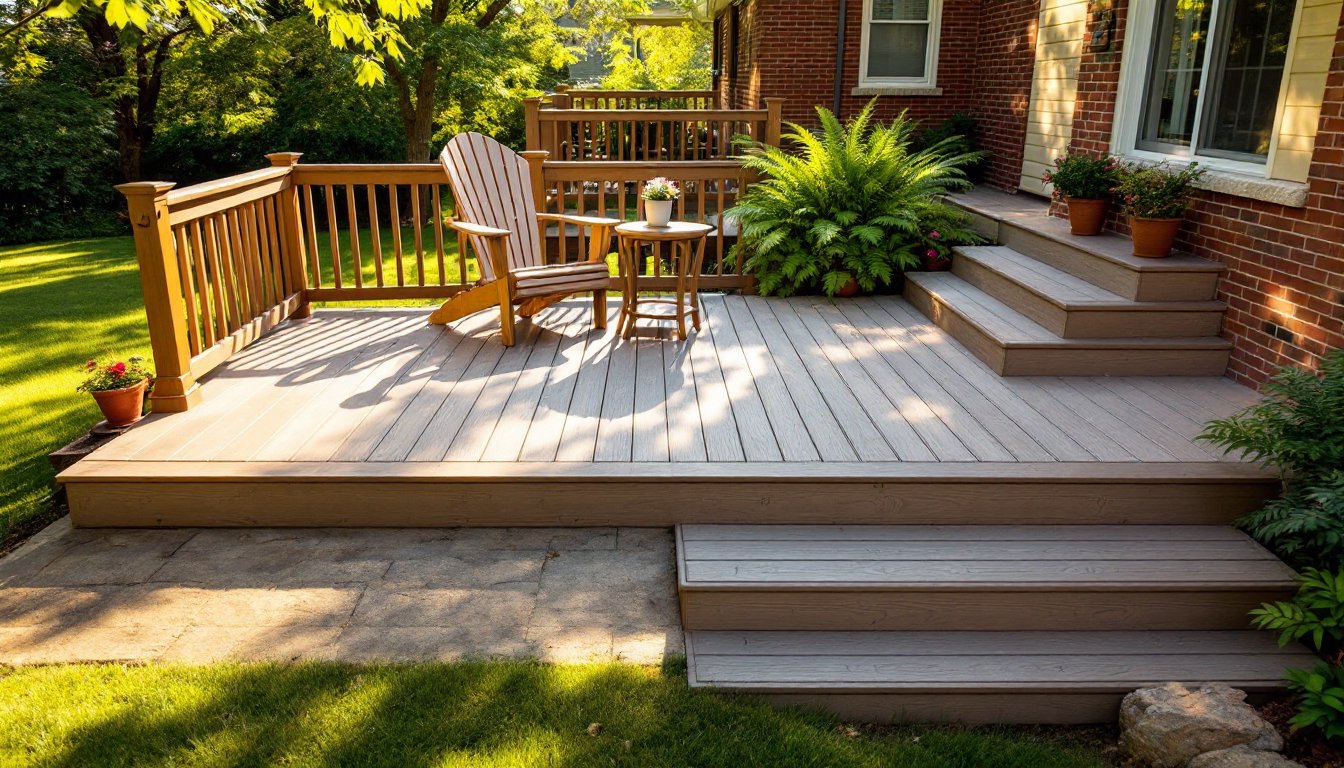

Your deck’s color sets the tone for your entire backyard entertaining experience. Whether you’re staining new pressure-treated lumber or refreshing last season’s weathered surface, the right deck color can make your outdoor space feel larger, cozier, or more modern, often without breaking the budget. The challenge isn’t finding colors: it’s choosing one that complements your home’s exterior, handles your climate, and won’t look dated in a few years. We’ll walk you through seven proven deck color ideas and the practical factors that should guide your decision so you can pick with confidence.
Table of Contents
ToggleKey Takeaways
- Neutral deck colors like soft grays, beiges, and taupes offer timeless appeal, hide dirt and mildew effectively, and require minimal maintenance with low-pressure washing once or twice yearly.
- Dark deck colors create striking modern impact and make outdoor furniture pop visually, but absorb heat and demand twice-yearly cleaning with soft brushes to prevent visible pollen and mildew buildup.
- Warm wood stains celebrate natural wood character and suit traditional homes, but require refreshing every 2–3 years due to UV fading, making them best suited for yards with dappled shade.
- Cool grays and blue-gray deck colors deliver contemporary aesthetic appeal without overheating underfoot, making them practical for full-sun yards and trending designs through 2025–2026.
- Your deck color choice should harmonize with your home’s exterior palette, climate conditions, and sun exposure—testing stain samples against your siding at different times of day prevents costly color mismatches.
- Climate exposure dramatically influences maintenance needs and color longevity: humid regions favor grays that hide mildew, while hot climates benefit from light, heat-reflective deck color options.
Neutral Tones for Timeless Appeal
Neutral deck colors, grays, warm beiges, and soft taupes, remain the safest bet for long-term appeal. These colors work because they don’t fight with plantings, furniture, or architectural details. A soft gray stain mimics aged composite materials and pairs seamlessly with brick, vinyl siding, or stone. Warm neutrals like honey and tan enhance natural wood grain and feel less institutional than cool grays.
One advantage of neutrals: they hide dirt and mildew better than dark colors in humid climates. Maintenance is straightforward, a pressure wash at low PSI (around 1,500) once or twice yearly keeps them looking fresh without stripping the finish. If you prefer a more refined appearance, consider a semi-transparent stain over solid color: it shows wood character while protecting against UV and moisture. Many homeowners find that neutral tones also ease future updates to furniture and décor without clashing.
Bold and Dark Colors for Modern Impact
Dark deck colors, charcoal, deep brown, or nearly black stains, create a striking contemporary look that photographs well and makes outdoor furniture pop visually. They convey sophistication and anchor a yard design the same way a dark floor does indoors. Dark stains work particularly well on composite decking or pressure-treated wood with tight grain, where they don’t look flat or dull.
The trade-off: dark colors absorb heat. In full sun, a charcoal deck can become uncomfortable barefoot in summer, so consider partial shade or strategic placement of shade structures if you live in a hot climate. You’ll also need to stay on top of cleaning, pollen, dust, and mildew show up more visibly. A dark deck demands attention twice yearly with a soft-bristle brush and mild detergent (avoid high-pressure wash, which can strip fresh stain). If you’re committed to the look and prepared for maintenance, dark colors deliver the most dramatic transformation and pair well with modern homes, minimalist landscapes, or edgy architectural styles.
Warm Wood Stains for Classic Elegance
Warm wood stains, golden oak, cedar red, chestnut, and warm mahogany tones, celebrate natural wood’s character and suit traditional, rustic, or cottage-style homes. These colors enhance the undertones in authentic wood decking (cedar, redwood, or tropical hardwoods) and create a lived-in, welcoming feel. Semi-transparent warm stains let the wood grain show through while offering UV and moisture protection: solid-color warm stains provide maximum durability but flatten the wood’s natural appearance slightly.
Warm tones require more frequent refreshing than grays or dark colors, typically every 2–3 years, because UV exposure fades them faster. If you’re investing in a warm stain, choose a quality exterior-grade product with UV inhibitors and mildewcide. Cedar and redwood naturally resist rot and accept stain beautifully, but they’re pricier than pressure-treated softwoods: if budget matters, a pressure-treated deck with the right stain can mimic the look affordably. Warm wood colors work best in yards with established trees or structures that provide dappled shade throughout the day, protecting the finish longer.
Cool Grays and Blues for Contemporary Style
Cool grays and soft blue-gray stains bring a coastal or modern farmhouse aesthetic to decks, particularly popular in 2025–2026 designs. These shades mimic weathered driftwood and work beautifully near water features, with contemporary furniture, or as a neutral backdrop for bright plantings. Cool grays feel lighter and more spacious than warm taupes, which can help smaller yards feel less cramped.
Blue-gray stains occupy a design sweet spot, they’re trendy without being faddish, and they pair well with white railings, black metal accents, or natural wood trim. Cooler tones can show algae and mildew slightly more than warm neutrals, so plan for annual cleaning if you’re in a damp climate. Unlike dark colors, cool grays won’t get dangerously hot underfoot, making them practical for full-sun yards. Application is straightforward: ensure the deck is clean and dry (wait at least 48 hours after rain), apply a quality exterior stain with proper coverage (typically 150–200 square feet per gallon for semi-transparent products), and allow 24–48 hours cure time before foot traffic. Two coats usually yield the best color depth and longevity.
How to Choose the Right Deck Color for Your Home
Picking a deck color involves three main considerations: your home’s exterior palette, climate exposure, and personal style. Start by gathering photos of decks you love (from design magazines or community walks) and note the colors. Do they complement brick, siding, trim, and landscaping? The best deck colors feel intentional, not random.
Next, assess your site’s conditions. A deck in deep afternoon shade can handle lighter or cooler tones without harsh glare: a full-sun western exposure demands consideration of heat absorption and UV fading. Check your local humidity and rainfall patterns, coastal or heavily wooded areas favor colors that hide mildew and algae growth.
Consider Your Home’s Exterior
Your deck is part of your home’s visual story, so its color should feel connected to existing elements. If your home has warm-toned brick or cedar siding, warm wood stains or golden neutrals harmonize naturally. Cool-toned gray or blue siding pairs better with gray, blue-gray, or charcoal decks. Homes with white or light trim benefit from almost any deck color, but too many competing hues (say, warm deck + cool gray siding) create visual tension. Pull paint chips or stain samples from a local retailer, hold them against your siding in different times of day, and live with them for a few days. Sunlight and shadow shift color perception dramatically, what looks perfect at noon may feel wrong at dusk.
Think About Climate and Sun Exposure
Climate drives maintenance reality and color longevity. In hot, dry climates, light and cool colors reflect heat and hide dust: dark colors stay uncomfortably warm. In humid or rainy regions, consider how quickly mildew colonizes: darker colors demand more frequent cleaning, while grays and taupes hide growth better.
Sun exposure matters enormously. A deck in full southern or western sun fades faster and needs higher-quality UV-inhibitor stains, regardless of color. Popular deck paint color options show how regional climates influence trending choices. If your yard has mature trees, you have flexibility: if it’s open and exposed, choose durability over trend. Cedar and redwood handle sun better than pressure-treated softwoods and develop a natural silvery patina over time, which some homeowners embrace as authentic aging rather than failure. Curated deck color inspiration can help you see how colors perform in different lighting conditions.