
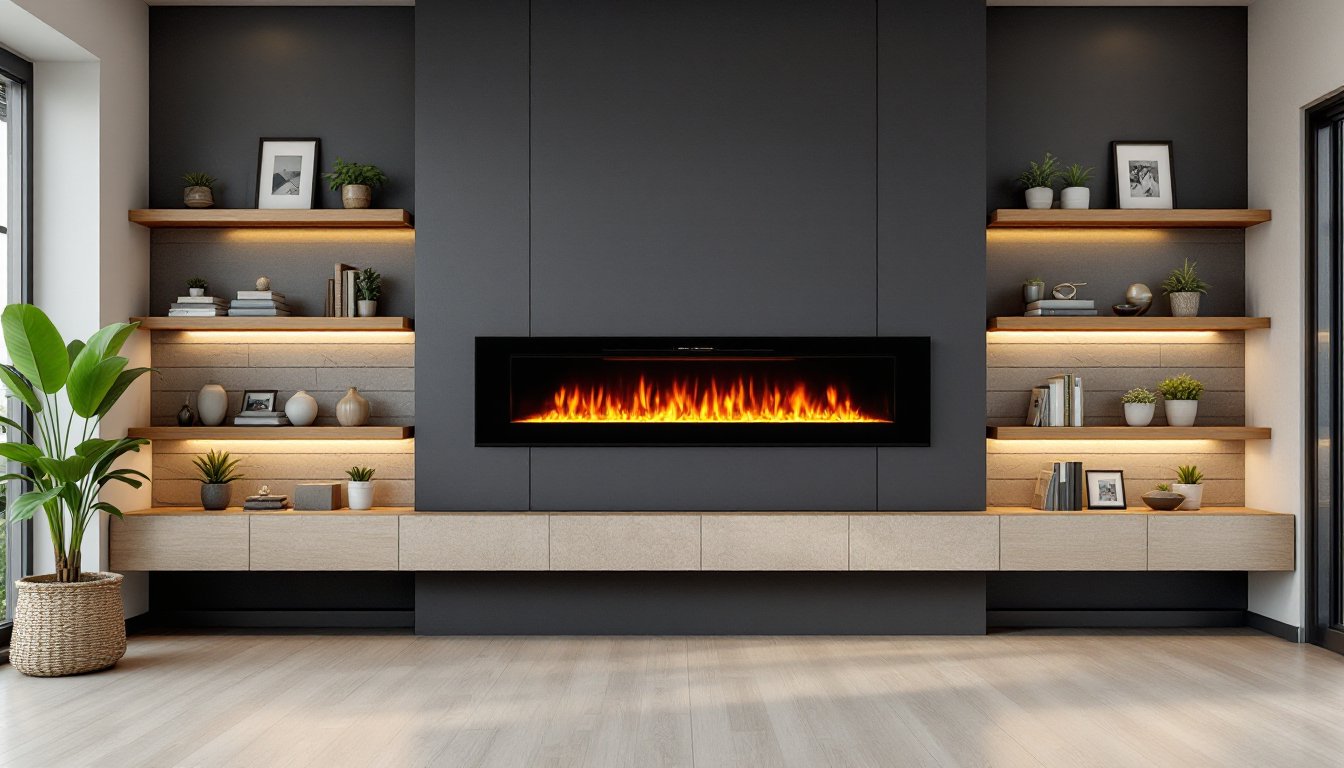

An electric fireplace wall can instantly become the focal point of any living room, without the mess, venting complexity, or ongoing maintenance of a wood-burning or gas unit. Whether you’re renovating a space, moving into a new home, or simply looking to upgrade your decor, electric fireplace wall ideas offer flexibility, modern aesthetics, and real heat output when you need it. Unlike traditional fireplaces, electric units mount directly to drywall or nestle into recessed cavities, giving you control over placement and design. This guide walks you through installation approaches, design options, and budget-conscious solutions to help you create the warm, inviting focal point you’ve been envisioning.
Table of Contents
ToggleKey Takeaways
- Electric fireplace wall ideas offer flexible, low-maintenance focal points that mount directly to drywall without the complexity of traditional wood or gas units.
- Linear electric fireplaces dominate modern design trends, stretching 36 to 88+ inches wide and projecting only 4 to 6 inches, making them ideal for minimalist spaces and open-concept living areas.
- Recessed installation creates a seamless, custom-built look but requires careful framing, stud identification, and proper sizing (typically 36 to 50 inches wide by 18 to 24 inches tall).
- Accent walls using shiplap, textured stone, or contrasting paint dramatically enhance the fireplace’s visual impact without requiring expensive structural changes.
- Floating shelves with proper stud anchoring and 6 to 12 inches of heat clearance add functionality and style while complementing your electric fireplace wall design.
- Strategic lighting using warm LED strips and dimmable recessed fixtures amplifies ambiance and prevents the fireplace from appearing washed out during evening hours.
Modern Linear Electric Fireplaces
Linear electric fireplaces have dominated 2024–2026 design trends because they’re sleek, versatile, and scalable. Unlike boxy traditional units, linear models stretch horizontally across a wall, creating a contemporary flame effect that reads as a modern architectural feature rather than an appliance.
These units typically range from 36 inches to 88+ inches wide and mount on the wall studs, usually set between 12 and 18 inches above floor level (or higher, depending on your layout). The installation footprint is minimal, most models project 4 to 6 inches from the wall, making them suitable for narrower spaces and apartments.
Linear fireplaces excel in open-concept living areas and minimalist designs. Their clean lines work beautifully above low-profile media consoles or floating shelves. Power requirements are modest: most plug into a standard 120-volt outlet, though some premium models with variable flame intensity and heating may draw 1,400 to 1,500 watts when heating is active. Check your wall outlet capacity and local building codes before installation. Install wall mounts securely into studs, never rely on drywall anchors alone. The combination of horizontal orientation and flush mounting makes these units feel integrated rather than bolted on.
Recessed and Built-In Installation Options
Recessed electric fireplaces sit within the wall cavity itself, creating a seamless, professional finish that feels custom-built. This option requires more planning and prep work than surface mounting, but the result is worth it: no protruding unit, no visible mounting brackets, and a truly integrated focal point.
Prep work is critical here. You’ll need to identify a wall section with accessible studs and no electrical wiring, plumbing, or HVAC ducts running through it. Use a stud finder and, if possible, a small exploratory hole with a flashlight to confirm the cavity is clear. Most recessed units require an opening of 36 to 50 inches wide and 18 to 24 inches tall, depending on the model. Measure twice, cut once, errors mean patching and starting over.
Frame the recess by cutting studs and installing a header and sill using 2×6 or 2×8 lumber (depending on the unit’s weight and your local building codes). Install the fireplace unit within the cavity, then secure the surround trim flush with drywall. You’ll finish with drywall tape, mud, and paint to create a built-in aesthetic. This approach works especially well for accent walls and high-impact designs. Many homeowners pair recessed units with shiplap, stone veneer, or tile surrounds for dramatic effect. If framing or electrical work feels beyond your skill level, hire a licensed carpenter or electrician, structural mistakes and code violations aren’t worth the savings.
Accent Walls and Textured Surrounds
The wall surrounding your electric fireplace deserves as much attention as the unit itself. A well-designed surround transforms the fireplace from a functional appliance into an intentional design statement.
Shiplap and wood paneling are popular choices because they add warmth and texture without overwhelming the space. Horizontal boards feel contemporary: vertical installation reads more traditional. Paint or stain to complement your furniture and trim. Shiplap installation is straightforward: mark level lines, apply construction adhesive or brad nails into studs, and seal with caulk where boards meet the fireplace frame.
Textured finishes like stacked stone, brick veneer, or even peel-and-stick stone panels create visual interest and anchor the fireplace as a focal point. Stone veneer is lightweight compared to full masonry, typically 7 to 8 pounds per square foot, and adheres with thin-set mortar and construction adhesive. Avoid over-texturing: let the fireplace itself shine, and use the surround to enhance rather than compete.
Paint contrast is another budget-friendly approach. A deep charcoal, navy, or warm taupe behind a linear fireplace draws the eye and creates a dramatic backdrop. Use quality interior latex paint and primer: budget $40 to $100 per gallon, depending on brand and finish. Most accent walls require 1 to 2 gallons. Prep the wall thoroughly: patch holes, sand rough spots, and apply primer for even coverage, especially over dark or glossy existing paint.
Shelving and Storage Integration
Floating shelves flanking or above a wall-mounted electric fireplace maximize both functionality and visual appeal. This design approach is especially practical in living rooms where storage and display space are at a premium.
Wall-mounted shelves must be anchored into studs to handle weight safely. Heavy-duty floating shelf brackets rated for 25 to 50 pounds per bracket (depending on shelf span) install with 3/8-inch lag bolts or heavy screws into studs spaced 16 inches apart. Install two brackets per shelf for spans up to 24 inches, three for longer runs. Leave at least 6 to 12 inches of clearance above a wall-mounted fireplace to avoid heat exposure to shelves and décor.
Style your shelves with decorative objects, books, plants, and accent lighting to soften the fireplace’s geometric lines. Asymmetrical arrangement reads more organic than rigid symmetry. Keep top shelves lighter visually: heavier objects belong lower. Avoid flammable materials on shelves directly above heat sources, check your fireplace’s manual for specific safety distances. Some homeowners install low-profile shelving at the base of recessed fireplaces to create a media console effect, perfect for displaying plants or framed photos while maintaining clean sightlines.
Lighting and Ambiance Enhancements
Strategic lighting around your fireplace wall amplifies warmth and usability, especially in the evenings. Layered lighting, combining the fireplace’s flame effect, ambient room light, and accent lighting, creates depth and prevents the fireplace from looking washed out.
Accent lighting using warm white LED strips (2700K color temperature) installed above, below, or behind the fireplace adds a subtle glow that enhances the flame effect. LED strips are low-cost ($20 to $50 per roll), install with adhesive backing, and run on 12-volt power supplies. They generate minimal heat and last thousands of hours. Direct the light to graze the fireplace surround or reflect off the wall behind for indirect illumination.
Recessed lighting installed in the ceiling on either side of the fireplace provides ambient brightness without glare. Space recessed lights 3 to 4 feet apart and use dimmable warm-white bulbs (3000K) to control intensity. Dimming switches are worth the extra $15 to $30 for flexibility, full brightness for daytime activities, dimmed for evening ambiance.
Swing-arm wall sconces or slim track lighting flanking the fireplace add contemporary style while keeping the wall clutter-free. Sconces rated for your room’s voltage and wattage are essential: poor-quality fixtures may flicker or dim when the fireplace’s heating cycles. These solutions transform the fireplace wall from purely decorative to genuinely functional for everyday living while enhancing the modern aesthetic.
Budget-Friendly Wall-Mounted Solutions
Not every budget allows for recessed installations or high-end surrounds, and that’s fine. Simple surface-mounted electric fireplaces deliver real value and can look polished with smart planning.
Entrance-level wall-mounted linear fireplaces cost $300 to $800 and deliver realistic flame effects and adjustable heat output. Mount directly to studs using the manufacturer-provided brackets, which typically use 3/8-inch bolts into 16-inch on-center studs. Locate studs with a stud finder: if no stud aligns with your desired placement, use heavy-duty toggle bolts rated for at least 50 pounds per anchor. Never skip studs entirely, drywall anchors alone will eventually fail under seasonal wall movement.
Pair a budget fireplace with a simple painted accent wall or peel-and-stick wallpaper to elevate the look without structural work. Modern wallpapers cost $20 to $60 per roll and apply smoothly over clean, primed drywall. If you want texture, consider shiplap-look wallpaper or faux brick panels as alternatives to real wood or masonry. Add a floating shelf above the fireplace using a pre-made floating shelf from a big-box retailer ($30 to $100), a mounting bracket kit, and basic tools. Research materials on modern home decor ideas to find affordable solutions that don’t sacrifice style.
The fireplace itself becomes the statement piece: you don’t need expensive surrounds or custom work. Honest, straightforward installations can look intentional and timeless. Focus on proper mounting, clean lines, and cohesive color choices. A $400 fireplace in a thoughtfully designed wall setting outshines a premium unit in a cluttered, poorly planned space.
Conclusion
Electric fireplace wall ideas range from minimalist linear units to elaborate built-in surrounds, giving every budget and aesthetic a viable path forward. The key is honest assessment of your skill level, careful measurement, and secure installation into studs, there’s no shortcut to a safe, durable fireplace wall. Whether you’re embracing modern linear designs, exploring recessed installations, or layering textures and lighting, your fireplace wall can become the warm, inviting focal point that ties your living room together. Start with your unit, plan your surround thoughtfully, and build from there. The result will be a space you genuinely enjoy gathering in year-round.