


Creating an inspiration board is like throwing a party for your dreams—everyone’s invited! Whether you’re planning a home makeover or launching a new project, these boards are the perfect way to visualize your goals and spark creativity. Who knew a collection of images, quotes, and colors could transform a dull wall into a vibrant hub of motivation?
What Are Inspiration Boards?
Inspiration boards serve as powerful visual tools for manifesting ideas and dreams. These boards compile images, quotes, colors, and textures that resonate with personal aspirations. Often used in creative fields, they spark new ideas and motivate individuals to pursue their goals. They can represent various projects, ranging from home renovations to personal development.
Creatives frequently use inspiration boards to outline their vision for a project. By arranging visuals in a cohesive manner, they create a narrative that informs and inspires. Many designers use these boards to explore themes, colors, and styles, ultimately guiding their creative processes.
Gathering images from magazines, online sources, or personal photos forms the foundation of these boards. Select elements that truly reflect one’s vision and connect emotionally. Displaying the board in a visible location enhances daily motivation.
Physical boards made from cork, cardboard, or canvas provide a tactile experience. Digital boards, utilizing platforms like Pinterest or specialized apps, offer flexibility and convenience. Each option allows individuals to curate their inspirations in a way that suits their preferences.
Ultimately, inspiration boards function as a roadmap to success. They help individuals visualize their goals, clarify their intentions, and remain focused on their dreams. Whether used for a specific project or as a general source of motivation, these boards hold significant value in fostering creativity and pushing limits.
Types of Inspiration Boards
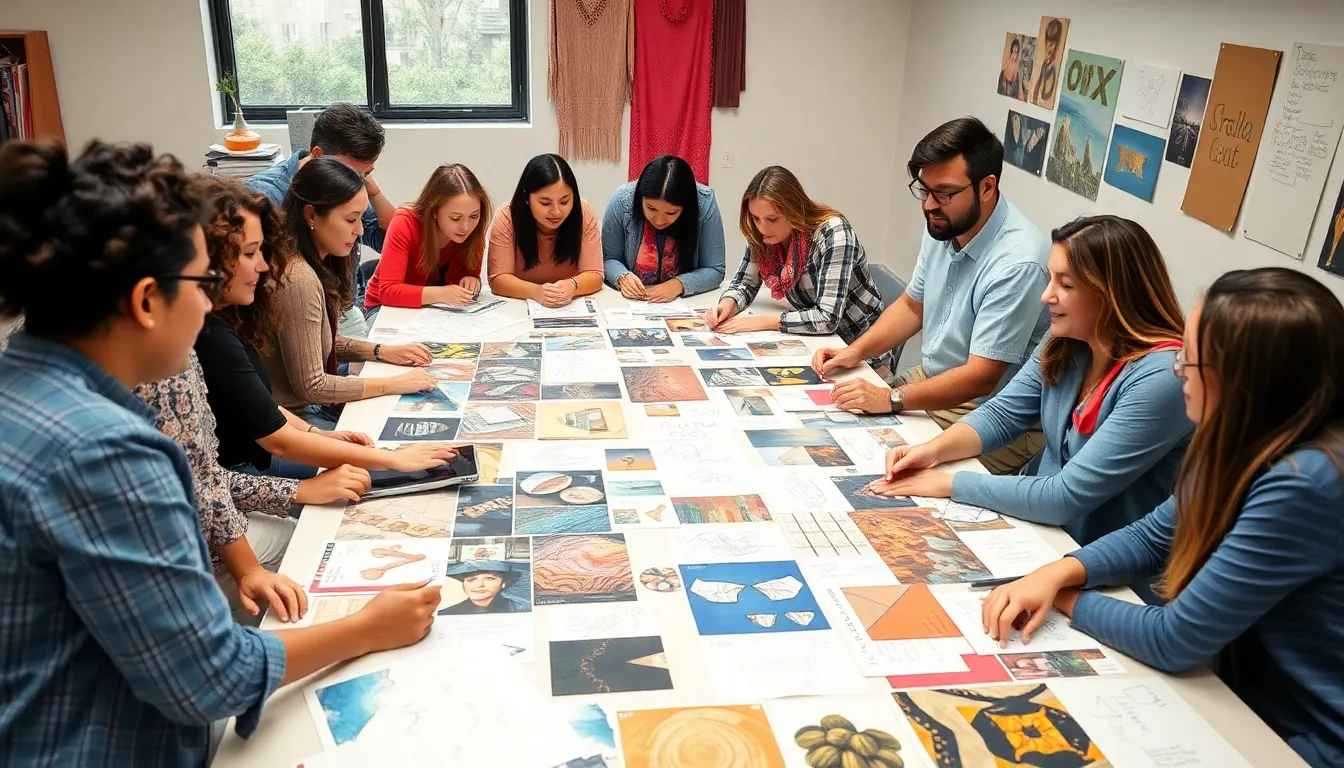
Inspiration boards come in various forms, each serving distinct purposes. These boards help visualize ideas, goals, and aesthetics, making creativity more accessible.
Vision Boards
Vision boards focus on long-term goals and dreams. They compile images and quotes that embody aspirations, thus serving as daily motivation. By arranging visuals that represent personal milestones, individuals create a vivid picture of their future. Frequent interactions with these boards reinforce commitment and clarity towards desired outcomes.
Mood Boards
Mood boards emphasize color schemes, textures, and styles. They showcase mood and tone for specific projects, making them essential for designers and artists. With visuals that evoke emotions and set a particular atmosphere, these boards are vital in the early planning stages. They guide decisions, ensuring that the essence of a concept is captured cohesively.
Project Boards
Project boards detail the essential elements involved in a specific undertaking. They include timelines, tasks, and resources relevant to the project. By breaking down larger goals into manageable parts, individuals stay organized and focused. These boards serve as visual checklists, tracking progress and maintaining accountability throughout the project lifecycle.
How to Create an Effective Inspiration Board
Creating an effective inspiration board involves careful planning and creativity. Several key steps help streamline this process.
Gather Your Materials
Collecting materials for an inspiration board should start with diverse sources. Magazines, online images, fabric swatches, and personal photographs provide varying textures and colors. A sturdy base like cork, cardboard, or canvas serves as the foundation. Scissors, glue, and decorative elements like stickers and markers enhance the board’s visual appeal. Use a variety of images that spark inspiration and reflect personal taste. Everything from travel photos to motivational quotes can contribute to a vibrant collection representing dreams and goals.
Choose a Theme
Selecting a theme unifies the inspiration board and adds clarity. Themes may involve personal aspirations, color schemes, or project specifics. Consider focusing on seasonal styles or a particular mood for event planning. A vivid palette can express emotions and set the tone. Choosing a specific direction informs the type of images and materials gathered, ensuring consistency throughout the board. Each element should contribute to the overall vision. Establishing a theme enhances the effectiveness of the board as a motivational tool.
Organize Your Ideas
Organizing ideas effectively makes the inspiration board more functional. Begin with a layout that prioritizes key elements, placing the most meaningful images at the center. Group similar visuals to create thematic clusters, enhancing coherence and flow. Experiment with different arrangements before settling on a final design. An organized board offers clear navigation through various ideas. Including labels or descriptions can clarify the purpose of each element. This structure helps maintain focus and reinforces desired goals, ensuring that the board remains a dynamic source of inspiration.
Inspiration Board Ideas for Different Projects
Inspiration boards can adapt to various projects, transforming visions into tangible outcomes. Here’s how to tailor them for distinct areas.
Home Decor
Selecting images that reflect desired aesthetics is crucial for home decor inspiration boards. Color palettes, furniture styles, and texture combinations play an essential role in conveying personal style. Incorporating photos of styled rooms creates a clearer vision of the desired space. Using boards to explore themes, such as minimalist or bohemian, facilitates decision-making. Displaying fabric swatches and paint samples adds tangibility to the board. Maintaining a unified style prevents the board from becoming overwhelming. Ensuring that every element resonates with the overall vision enhances creativity and focus.
Event Planning
Effective event planning draws from inspiration boards to visualize themes and atmospheres. Curating ideas for venues, color schemes, and decorations helps streamline the planning process. Embedding quotes or mantras relevant to the event creates an encouraging atmosphere. Gathering images of past events, along with food and entertainment ideas, inspires creativity. Utilizing cohesive visuals clarifies the event’s narrative, from casual gatherings to formal celebrations. Including timelines and checklists on the board improves organization. During the planning stage, the board serves as a helpful guide, ensuring no details get overlooked.
Personal Development
For personal development, inspiration boards encourage goal-setting and self-reflection. Representing aspirations through images, quotes, and affirmations fosters a sense of motivation. Including visual representations of achievements, such as books or travel destinations, reinforces ambitions. Personal growth themes can vary widely, from career milestones to wellness journeys. Organizing affirmations and action steps helps maintain focus on continuous improvement. Arranging the board in a celebratory manner turns it into a daily reminder of one’s potential. Ensuring that the content evolves with personal growth keeps the inspiration fresh and relevant.
Creating an inspiration board is a transformative experience that can ignite creativity and clarity. Whether it’s for personal development or a specific project, these boards serve as visual reminders of goals and aspirations. By thoughtfully curating images and elements that resonate emotionally, individuals can craft a powerful tool that not only motivates but also organizes their ideas.
As people embrace different types of inspiration boards—from vision boards to mood boards—they unlock new pathways to success. The process of building these boards fosters a deeper connection to one’s dreams and enhances overall productivity. With a well-placed inspiration board, motivation becomes a daily practice, guiding individuals toward their envisioned futures.