
Every artist hits a creative wall now and then. It’s like staring at a blank canvas while waiting for a lightning bolt of genius to strike. But fear not! Inspiration is all around, just waiting to be discovered. Whether it’s a quirky street corner or a pile of laundry, the world brims with potential ideas that can ignite the imagination.
Exploring Art Inspiration Ideas
Finding inspiration in daily life happens in various ways. Nature often serves as a rich source for artistic ideas. Colors, shapes, and textures observed in landscapes can transform into stunning artworks. Similarly, urban scenes imbue artists with vibrant energy. The interplay of light and shadow in cityscapes can lead to dynamic compositions.
Everyday objects shouldn’t be overlooked. Masks, tools, or even kitchen utensils can ignite creativity. Utilizing these familiar items encourages artists to experiment and see them from new perspectives. Photographs also act as powerful reference points. Capturing emotions or moments in images inspires unique interpretations.
Exploring diverse cultures expands artistic horizons. Visiting galleries or museums showcases different styles and techniques. Engaging with the work of other artists sparks new ideas and thought processes. Film and literature also offer rich narratives that can shape visual storytelling.
Participating in workshops fosters collaboration. Interacting with other artists generates fresh concepts and techniques. Group critiques often yield constructive feedback, refining artists’ vision. Attending art shows allows for networking and discovering contemporary trends.
Travel experiences can also feed creativity. Exposure to new environments and cultures broadens artistic viewpoints. Historic sites and local traditions inspire themes that resonate on a deeper level. Ultimately, finding inspiration hinges on an artist’s willingness to explore surroundings and embrace the unexpected.
Nature-Inspired Art
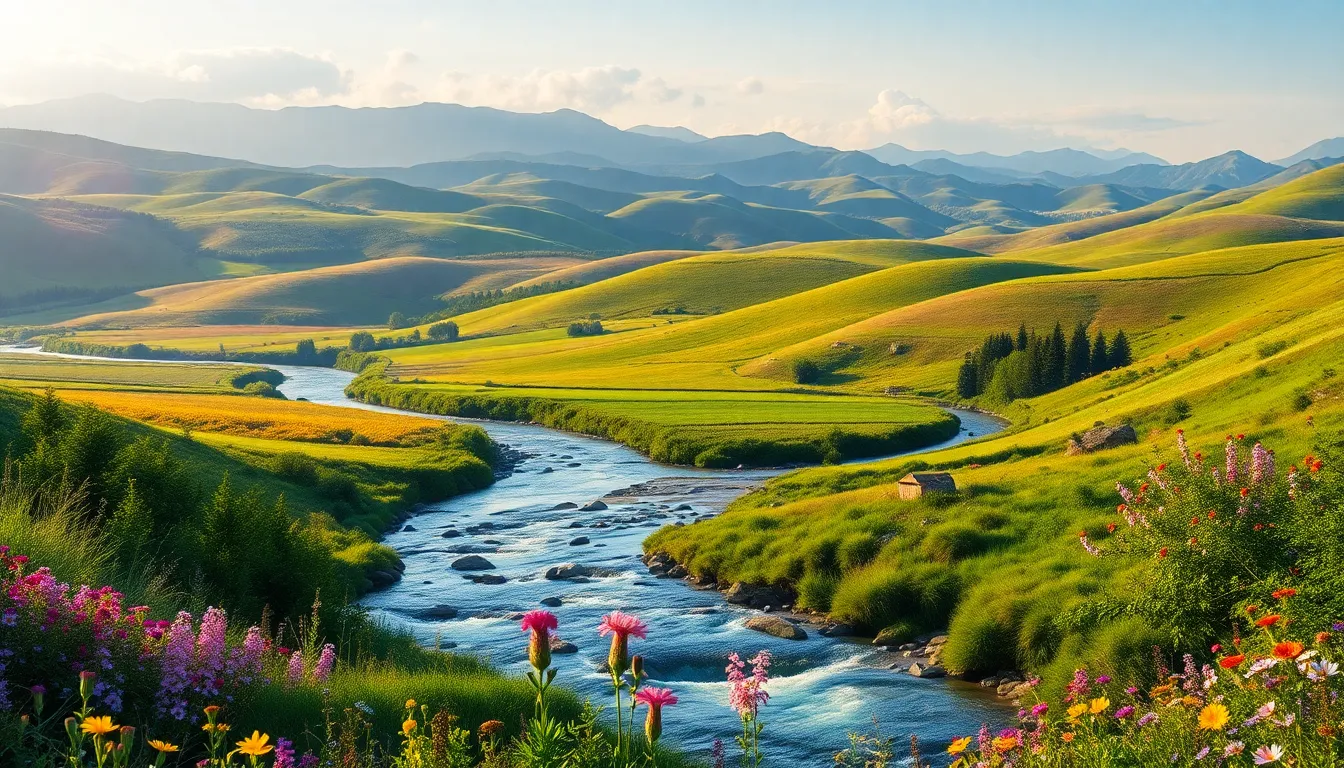
Nature offers a wealth of artistic inspiration. Artists often find themselves captivated by its vibrant elements and intricate details.
Landscapes and Sceneries
Mountains, rivers, and beaches provide vast landscapes for exploration. Each setting showcases unique color gradients and textures that can transform a canvas. Morning light casting shapes across hills can inspire dramatic contrasts. Photographic references serve as valuable tools for capturing these scenes in real-time. Artists can play with perspectives to represent nature’s beauty from unexpected angles. Urban environments, too, blend seamlessly with natural elements, creating dynamic compositions. Inspiration lies in discovering montages of scenery and reflecting on their emotional impact.
Flora and Fauna
Plants and animals present endless opportunities for creativity. Colors from flowers and details of leaves infuse artwork with vibrancy. Observing wildlife in their habitats can spark a connection between the observer and the subject. Intricacies in petal shapes or feather patterns frequently evoke a strong artistic urge. Botanical illustrations often emerge from close studies of these natural forms. Artists benefit from attending natural reserves or gardens, observing interactions among species. Exploring the diversity of ecosystems enhances their understanding and appreciation of the art in nature.
Art from Everyday Life
Inspiration often emerges from ordinary experiences. Artists can find abundant creativity within their daily surroundings.
Still Life Compositions
Still life compositions present an opportunity to explore everyday objects in new ways. Artists can arrange items like fruit, flowers, or utensils, focusing on light, shadow, and form. These settings can reveal unexpected beauty and intricate details. Experimenting with different angles can change perceptions, allowing for unique interpretations. Colors and textures can inspire vivid expressions, transforming mundane objects into engaging art pieces. Incorporating personal items can deepen emotional connections and narratives within the artwork. This approach fosters an understanding of composition and balance, fundamental skills for any artist.
Urban Landscapes
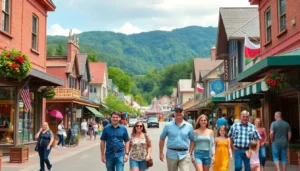
Urban landscapes serve as dynamic backdrops for artistic exploration. Streets, buildings, and the bustle of city life provide rich material for expression. Capturing the interplay of light and shadows on architecture can enhance compositions. Diverse cultures and activities infuse energy into urban scenes, making them compelling subjects. Observing daily routines and interactions can spark fresh ideas, transforming ordinary moments into visual stories. Urban environments challenge artists to depict movement and rhythm, emphasizing the constant evolution of city life. This variety encourages experimentation with perspective and scale, expanding an artist’s repertoire.
Abstract Art Inspiration
Abstract art inspires creativity by emphasizing emotion through non-representational forms. It invites artists to experiment with color, shape, and patterns, encouraging expressive interpretations.
Color Theory Applications
Color theory plays a crucial role in abstract art, influencing mood and perception. Artists often use complementary colors to create vibrancy and contrast, while analogous colors promote harmony. Exploring warm colors like reds, yellows, and oranges evokes energy and passion. Conversely, cool colors such as blues and greens suggest calmness and tranquility. Mixing these colors can lead to unexpected results, fostering unique artistic expressions. Experimentation with color gradients adds depth and dimension, enhancing visual interest. Utilizing bold palettes in abstract art can draw viewers’ attention and provoke emotional responses.
Shapes and Patterns
Shapes and patterns form the backbone of abstract art, offering structural elements that build visual narratives. Geometric shapes like circles, squares, and triangles provide clarity and balance, while organic shapes introduce fluidity and spontaneity. Combining these forms creates intriguing compositions and guides the viewer’s eye. Patterns, whether repetitive or varied, contribute to rhythm and movement within a piece. Incorporating textures like stripes or dots adds tactile quality, enriching the artwork’s appeal. Emphasizing contrast between different shapes enhances the overall impact, allowing artists to communicate complex ideas through simple forms.
Collaborations and Community
Art thrives on connections and shared experiences. Collaborating with others can unlock new perspectives and re-energize creativity.
Group Art Projects
Group art projects encourage collaboration among artists with varying skill levels and backgrounds. These projects often generate exciting mixes of ideas and techniques, resulting in unique art pieces. For example, community murals bring artists together to create large-scale works that reflect local culture. Additionally, collaborative installations can foster dialogue and connection, transforming spaces into interactive experiences. Engaging in these group endeavors not only builds community but also inspires participants to explore new artistic directions.
Art Workshops and Classes
Art workshops and classes provide platforms for learning and networking within the artistic community. Participating in these opportunities exposes artists to diverse techniques and insights. These settings often feature guest instructors who share their unique approaches, sparking inspiration among attendees. Local art centers frequently host workshops, allowing artists to engage with peers and receive constructive feedback. Furthermore, classes can offer structured exploration of mediums like painting, sculpture, or digital art, equipping artists with foundational skills and expanding their creative repertoire.
Artists have a wealth of inspiration at their fingertips. By observing the world around them and engaging with everyday experiences, they can unlock creativity in unexpected ways. Nature’s beauty urban landscapes and ordinary objects serve as powerful muses waiting to be discovered.
Exploring different cultures and participating in collaborative projects can further enrich an artist’s perspective. Embracing experimentation and stepping outside comfort zones often leads to the most profound artistic breakthroughs. Ultimately the journey of finding inspiration is as vital as the art itself.